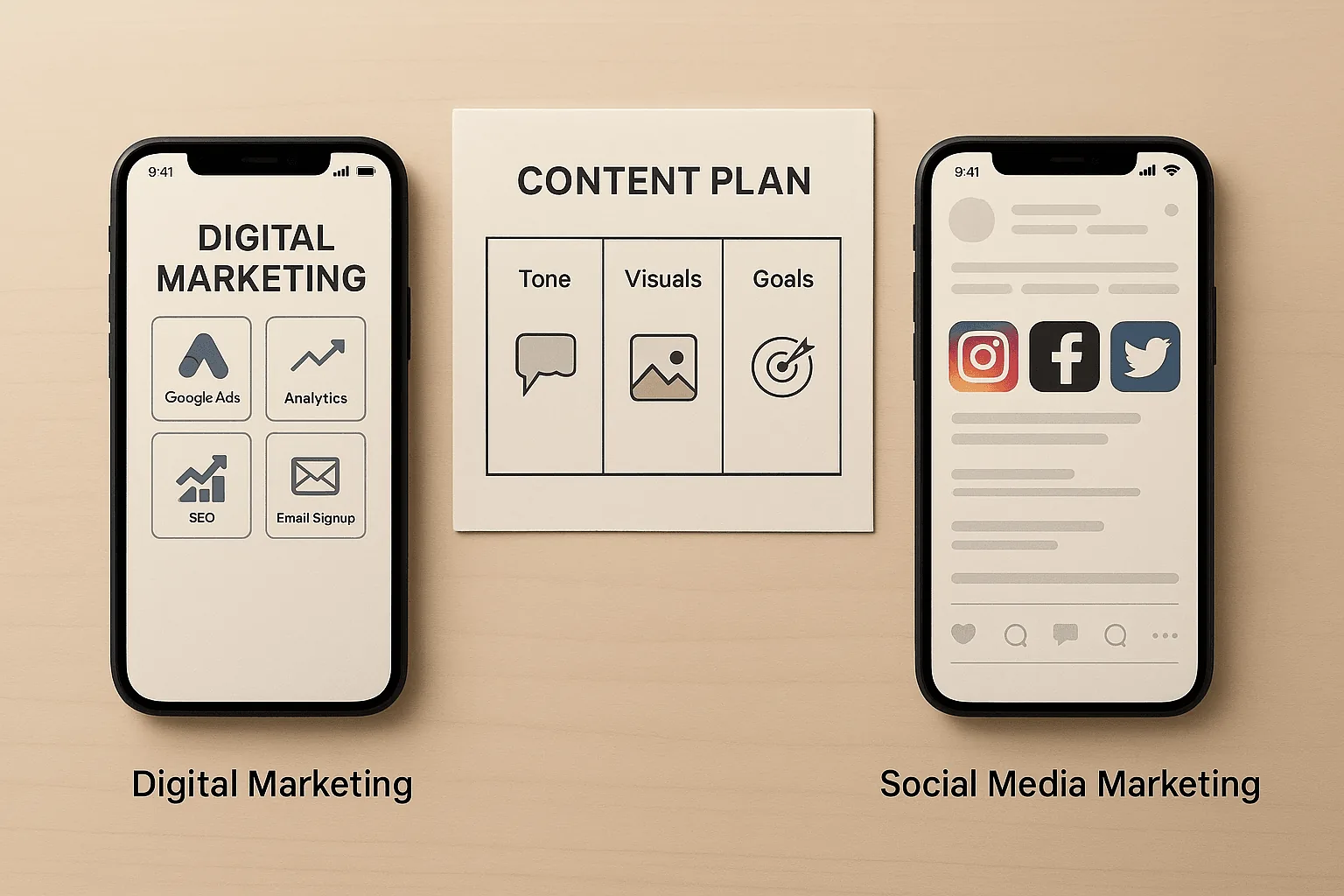
Digital marketing is any marketing that happens online: search, email, ads, your website and social media. Social media marketing is one part of it, focused on platforms like Instagram, TikTok, LinkedIn and Facebook.
The two overlap, but they do different jobs. Knowing which job you need done is how you decide where to spend time and budget.
Key takeaways
Social media marketing is a subset of digital marketing, not an alternative to it.
Social reach is enormous. DataReportal counts 5.66 billion social media user identities, and people spend 18 hours 36 minutes a week on social and video platforms.
Search still leads for brand discovery, but social ads are the top brand awareness source for people aged 16 to 34.
They work best together. Content, audiences and data flow between them.
Choose the mix from your goals and your buyers' habits, not from a template split.
What counts as digital marketing?
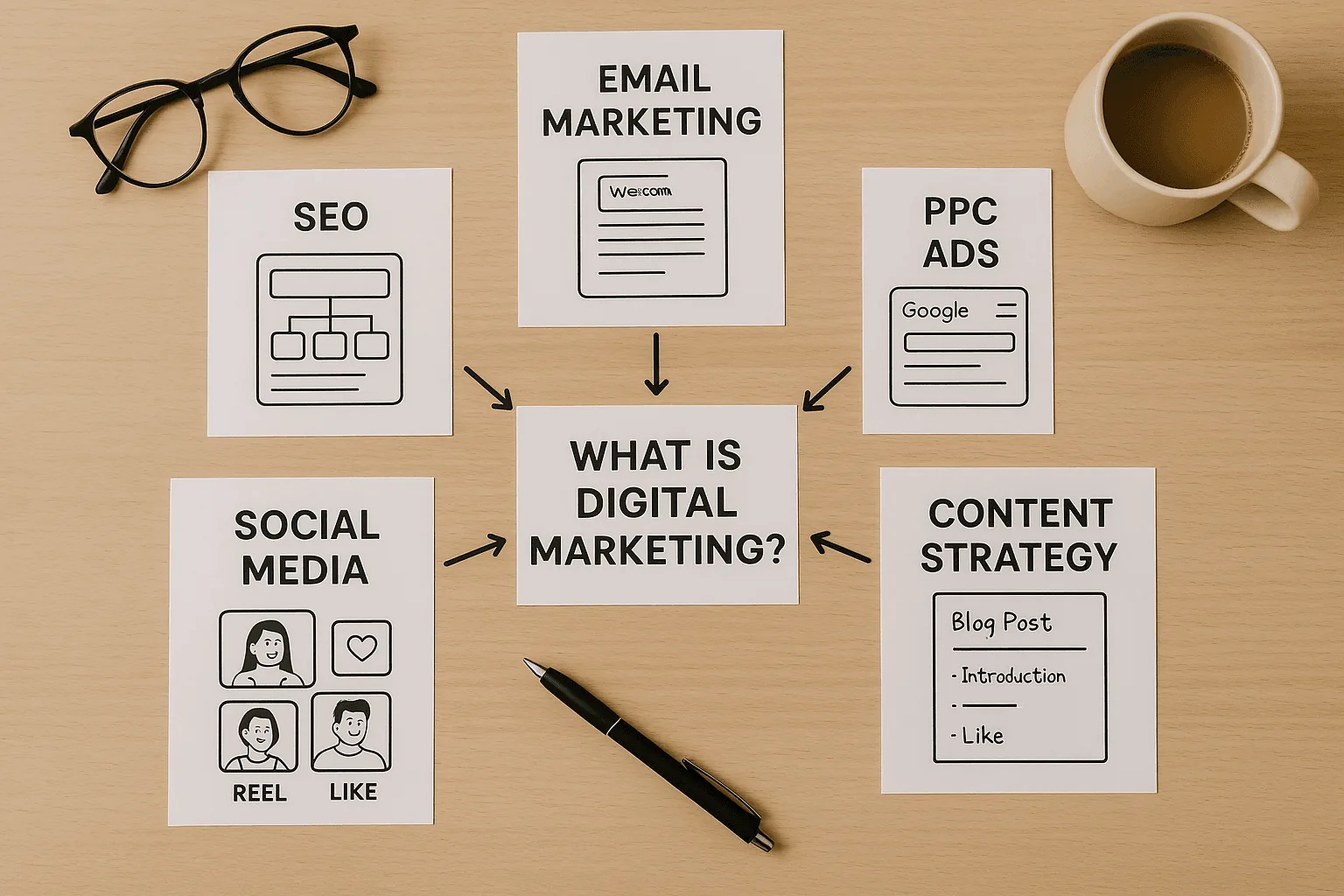
Digital marketing covers every online activity designed to attract, inform and convert customers:
Search engine optimisation (SEO)
Paid search and display ads
Email and marketing automation
Content marketing, such as guides and videos
Social media, both organic and paid
Your website's experience and conversion paths
Analytics that measure all of it
What counts as social media marketing?
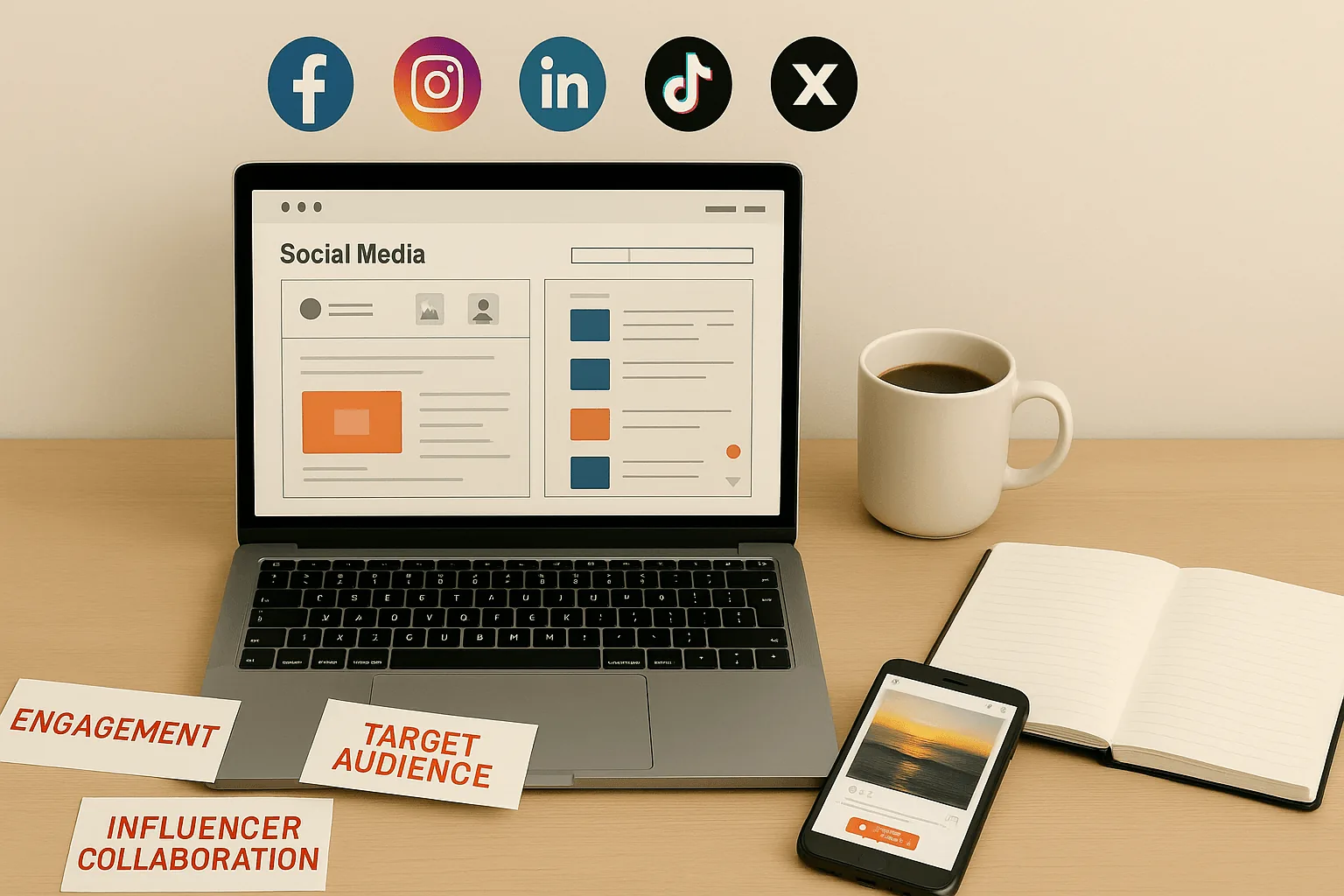
Social media marketing builds attention, community and conversation on social platforms. It includes organic posts and stories, paid social ads, replying to comments and messages, creator partnerships and listening to what people say about your brand.
How big are social and search audiences in 2026?
DataReportal's Digital 2026 Global Overview Report, produced with We Are Social and Meltwater, found:
| Measure | Figure |
|---|---|
| People using the internet | 6.04 billion, 73.2% of the world |
| Social media user identities | 5.66 billion, 68.7% of the world |
| Weekly time on social and video platforms | 18 hours 36 minutes per user |
| Online adults who used a search engine in the past month | 80.3%, the lowest in GWI's survey history |
Attention on individual platforms is high too. Similarweb data cited in the same report shows average daily time per user in each platform's Android app:
- TikTok97 min
- Instagram73 min
- Facebook67 min
Source: Similarweb App Intelligence, cited in DataReportal Digital 2026 Global Overview Report
Search still matters most for discovery overall. GWI research in the report found social media ads are the third most important source of brand awareness, after search engines and TV ads, with more than 30% of adult internet users discovering brands through social ads. Among people aged 16 to 34, social ads are the top source.
How do they differ?
| Aspect | Digital marketing | Social media marketing |
|---|---|---|
| Scope | Every online channel | Social platforms only |
| Typical goal | Traffic, leads and sales across channels | Awareness, engagement and community |
| Intent of the audience | Often actively searching for something | Usually browsing, not searching |
| Content lifespan | Search content can work for years | Most posts fade within days |
| Main tools | Analytics, SEO tools, ad platforms, CRM | Scheduling, social ads, listening tools |
| Ownership | Website and email list are yours | The platform controls reach and rules |
The intent difference matters most. Someone searching "emergency plumber near me" wants to act now. Someone scrolling Instagram was not looking for you, so the job is to earn attention and be remembered.
Where do they overlap?
Content moves between them. A detailed guide becomes short videos and carousel posts.
Audiences move between them. Website visitors can be retargeted on social, and social followers can be invited to join your email list.
Insight moves between them. Questions people ask in comments reveal what they search for, and search data shows what to post about.
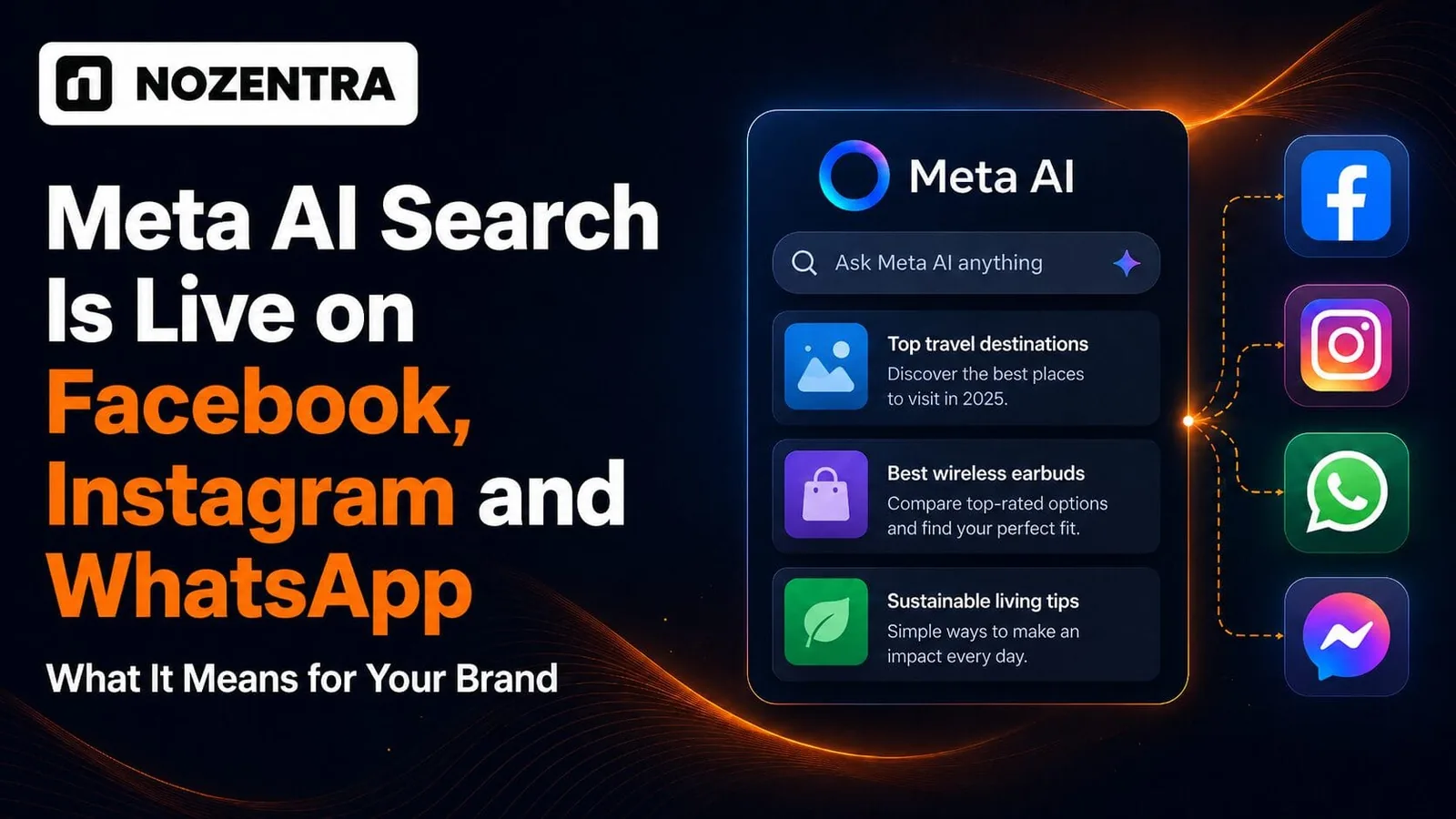
Brand discovery now happens in both. With Meta AI answering questions inside social apps, social profiles act more like search surfaces. See how Meta AI is changing brand discovery.
How do you choose the right mix?
Skip ready-made percentage splits. Answer these instead:
| Question | Leans toward search and website | Leans toward social |
|---|---|---|
| How do buyers find businesses like yours? | They search when a need appears | They discover you while browsing |
| How complex is the purchase? | Needs detailed information and comparison | Simple, visual or impulse-friendly |
| How urgent is the need? | Urgent, such as repairs or legal help | Planned or inspirational |
| What can you produce consistently? | In-depth written content | Frequent short video and images |
| What do you need most right now? | Enquiries from people ready to act | Awareness among people not yet looking |
Most businesses need both, weighted differently. A local trade business usually leans on search and its Google Business Profile, with social for trust and word of mouth. A lifestyle product brand usually leans on social for discovery, with search capturing people who later look it up by name.
Local search results can be dramatic when the foundations are right. For VIP Plumbing, a new WordPress site with local SEO, Google Business Profile optimisation and location pages grew organic traffic by 500%.
How do you measure both in one place?
Tag your links consistently so GA4 puts traffic in the right channel. According to Google's default channel group rules, these UTM medium values map to GA4 channels:
utm_medium=social         → Organic Social
utm_medium=paid_social    → Paid Social      (medium matching "paid.*" and a social source)
utm_medium=email          → Email
utm_medium=cpc            → Paid Search      (with a search engine as the source)

Example:
https://www.example.com/spring-guide?utm_source=instagram&utm_medium=paid_social&utm_campaign=spring-2026
Pick one naming convention and stick to it. Different values like "social", "social-media" and "sm" all map to Organic Social in GA4, but they make reports harder to read.
Then track a short list of numbers that connect to revenue:
| Metric | Best for |
|---|---|
| Cost per lead and cost per acquisition | Paid search and paid social |
| Engagement rate and saves or shares | Organic social |
| Conversion rate from each channel | Website and landing pages |
| Email sign-ups from social traffic | Moving followers to channels you own |
| Return on ad spend | Any paid channel |
Judge trends over a quarter. One viral post or one expensive week can distort a short window.
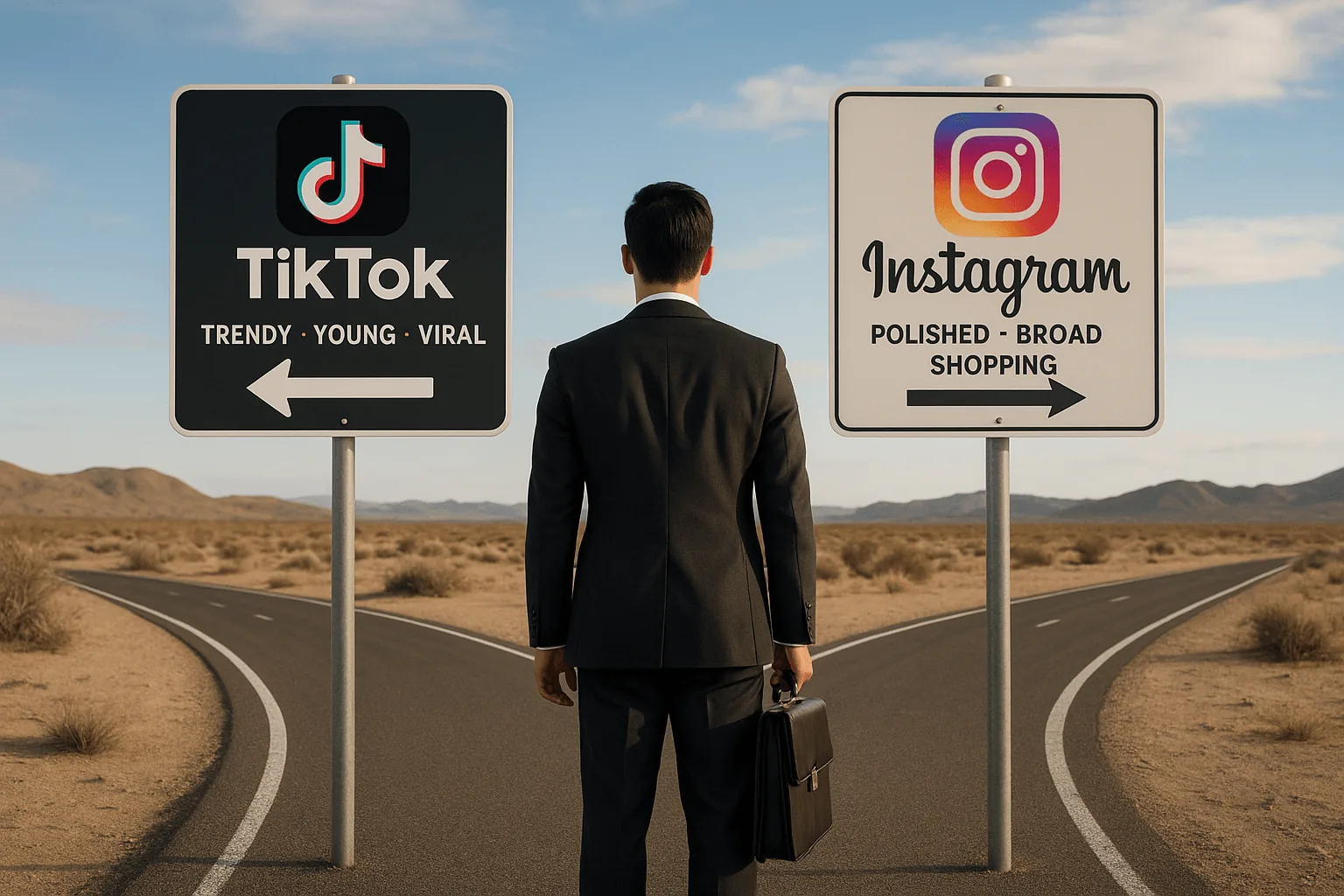
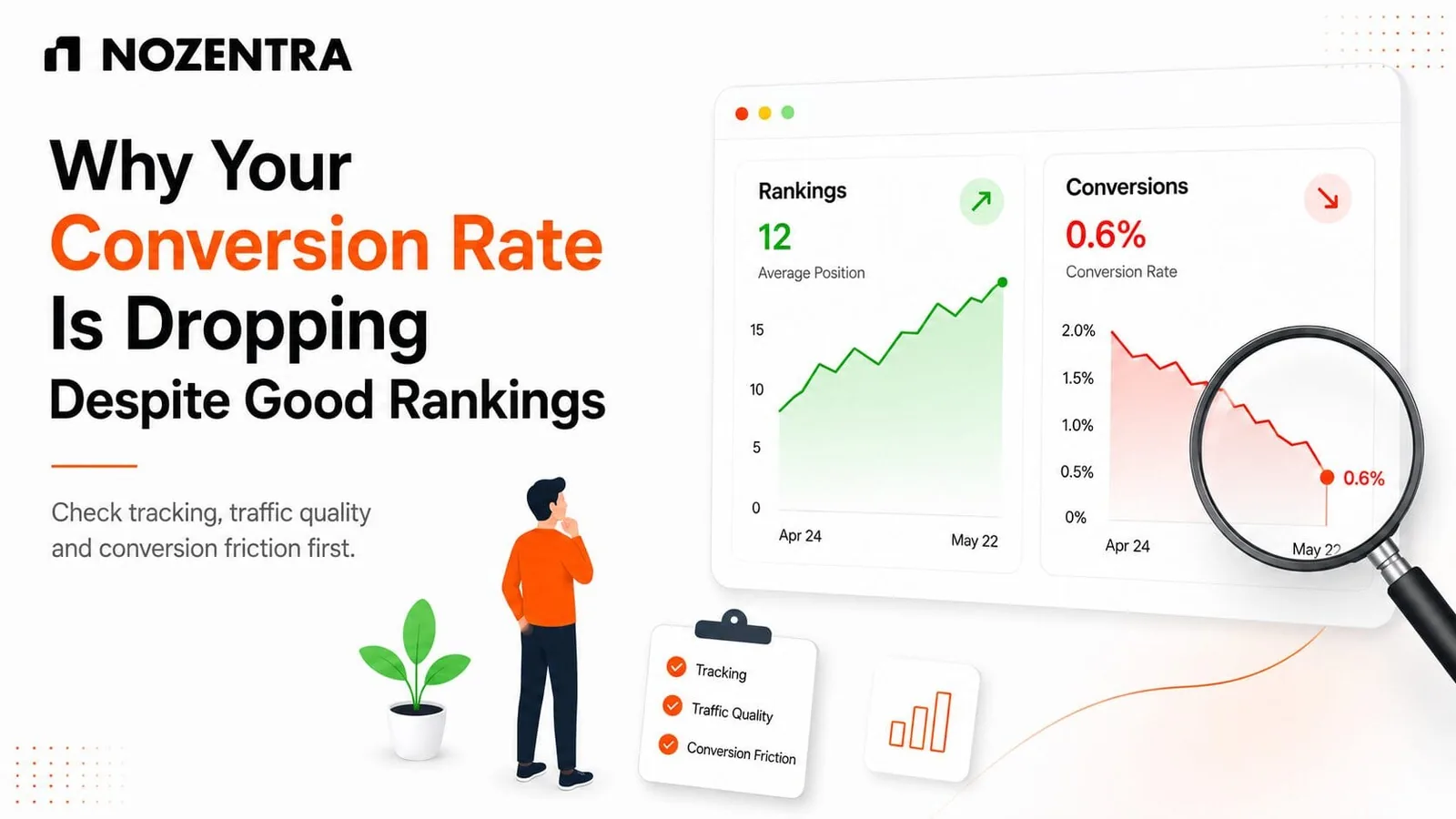
For how social platforms compare, read Instagram or TikTok: which is better for your brand?. For the search side, see SEO or digital marketing: which brings better results? If you want help building a mix that fits your business, talk to us.
Frequently asked questions
Is social media marketing part of digital marketing?
Yes. Digital marketing is the umbrella, and social media marketing is one of the channels under it.
Which is better for a small business?
It depends on how your customers find businesses like yours. If they search when a need arises, prioritise search and your website. If they discover products while browsing, prioritise social. Most small businesses need a bit of both.
Is social media marketing cheaper?
Organic social has no media cost, but it needs a steady supply of content and time to engage. Paid social can reach people quickly, but costs rise with competition. Compare channels on cost per result, not on setup cost.