7 min read
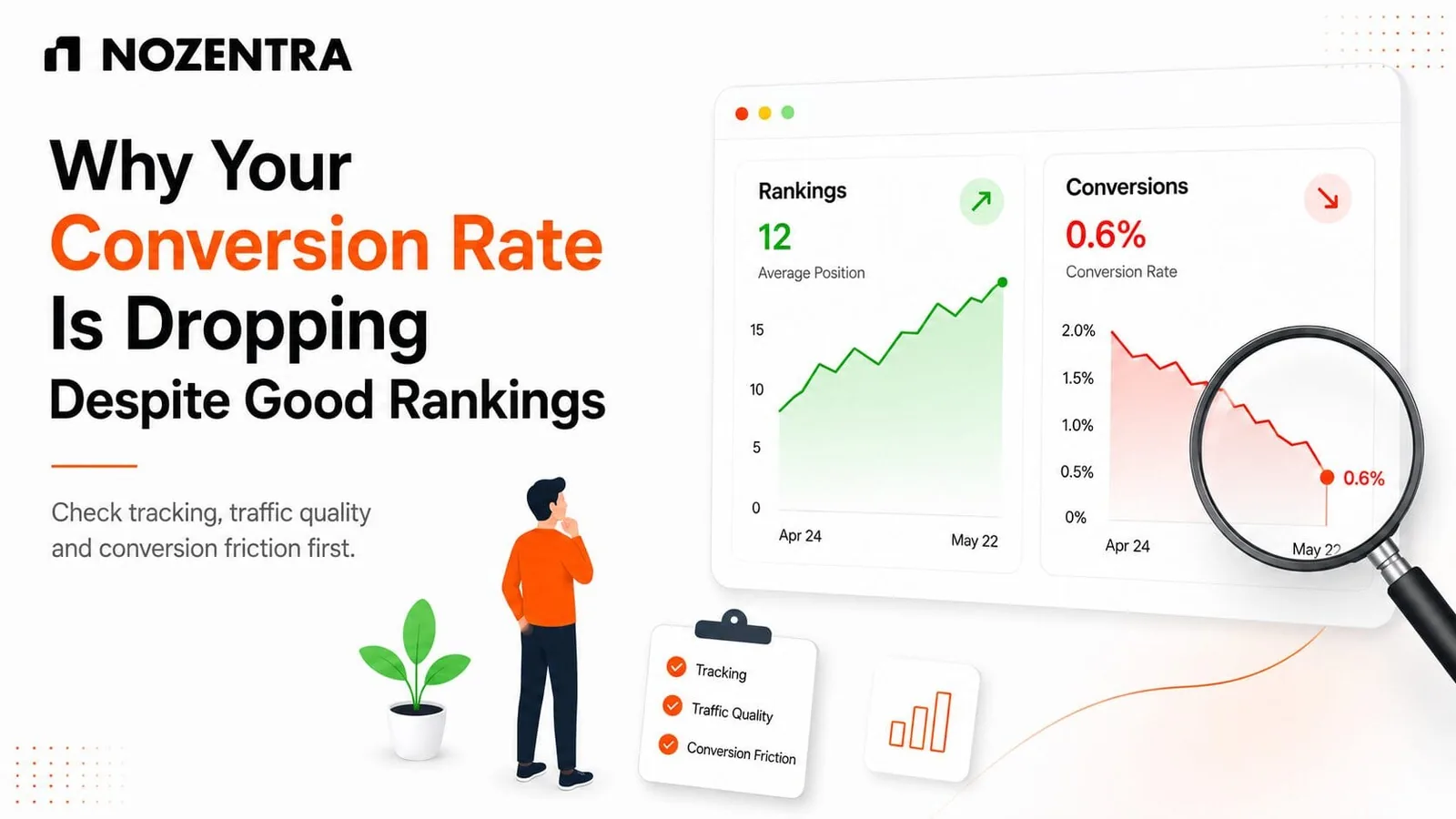
Why is my conversion rate dropping if rankings are fine?
Rankings steady, conversions falling? Check tracking, the conversion process, traffic mix and offer changes before you touch the page. Here is the order we use.
GrowCRO
Read article 
Substantive guidance with practical reasoning, named limits, and human ownership.
Filter by topic and find the next useful decision.
Rankings steady, conversions falling? Check tracking, the conversion process, traffic mix and offer changes before you touch the page. Here is the order we use.
How to plan a website that scales: start from the decisions it must support, protect the technical foundation, and hand a clean system to growth work.
A human-led content strategy: choose topics from the buyer decision, give each article a defined role, and read the resulting evidence honestly.
Skip the feature lists. The right platform follows from the site's main job, who maintains it, and the three-year cost. Verified 2026 pricing and limits inside.
A practical map for AI with human oversight: assign responsibilities, separate assistance from authority, protect the input, and test real failure states.
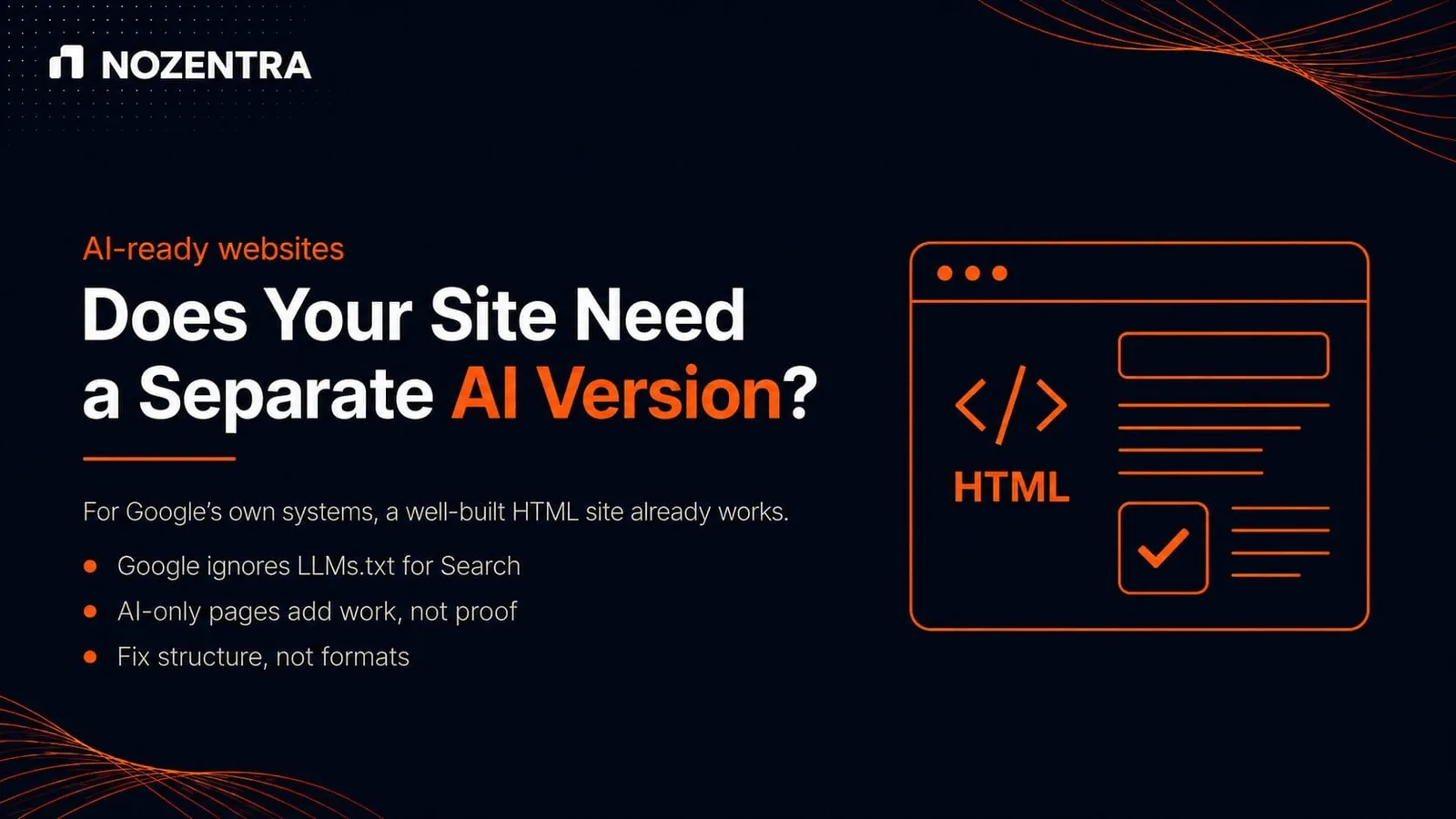
Not for Google. Its documentation says llms.txt and markdown copies are ignored, John Mueller and Bing's Fabrice Canel explain why, and what to build instead.
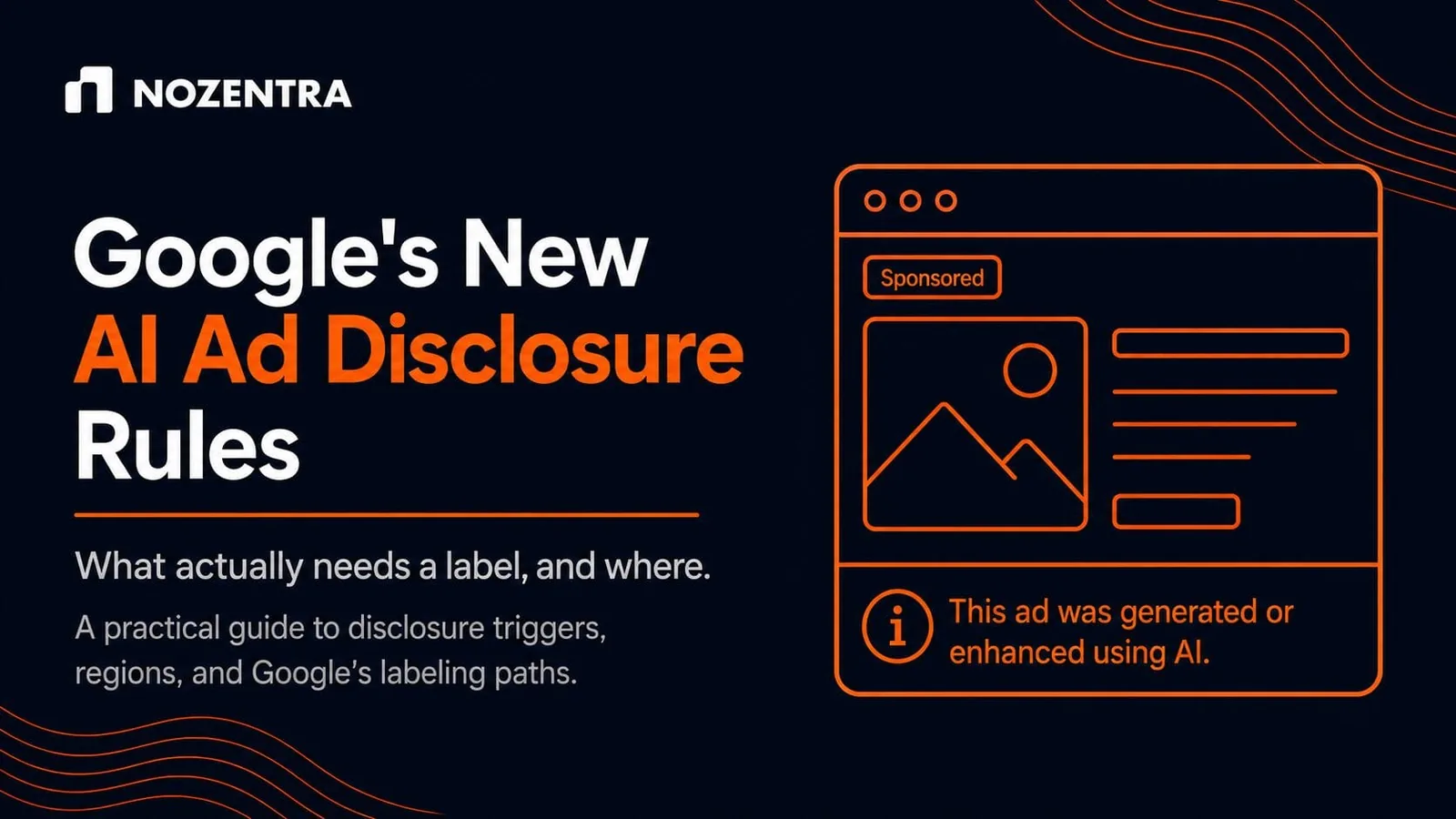
Google now shows people how an ad was made. Whether yours needs a label depends on how much AI changed it and where the ad runs. Here is how to check.
Gmail and Yahoo's sender rules and the May 2026 DMARC update are separate things. What is required, what changed, and the setup checks start-ups miss.
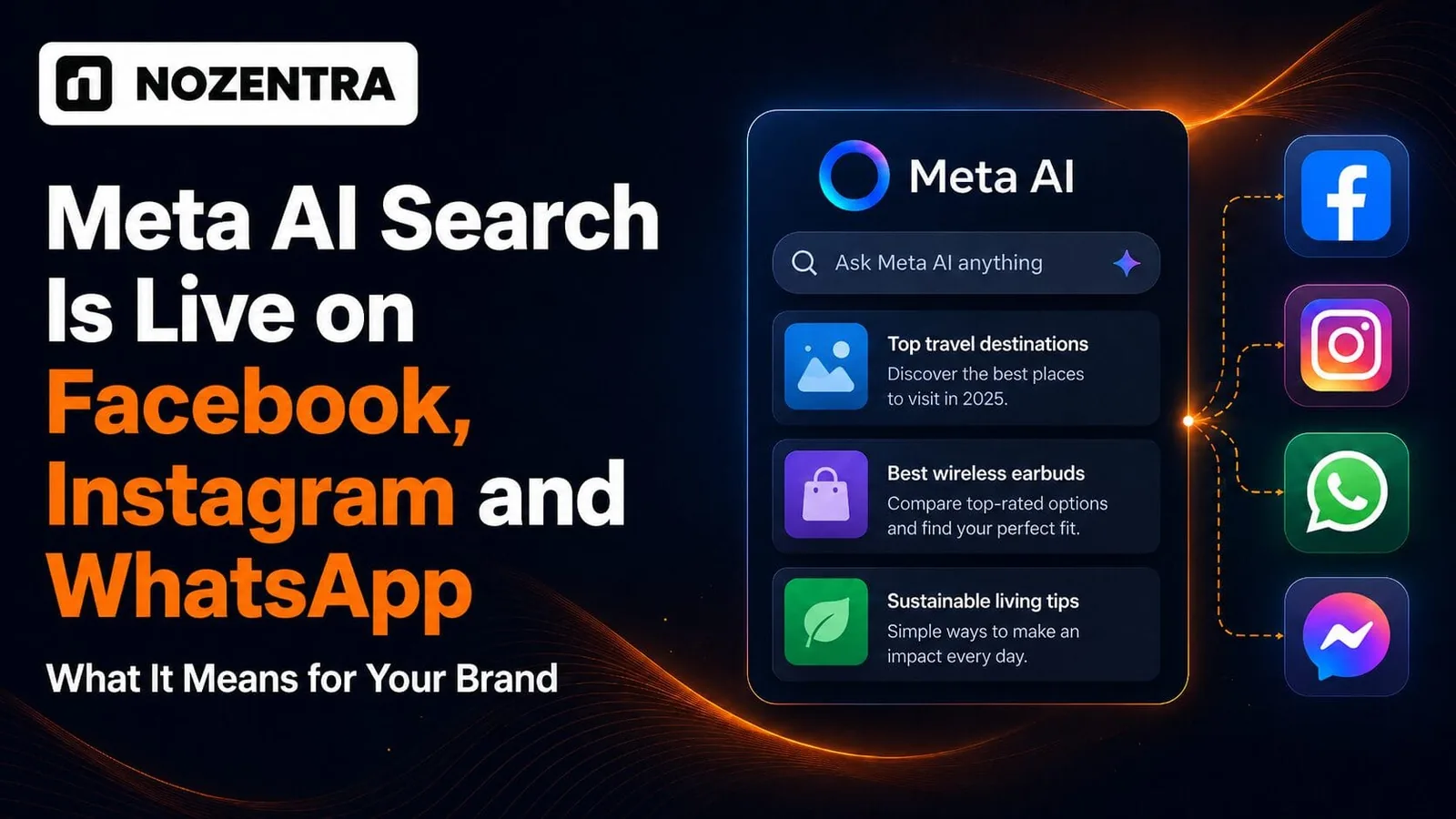
Meta AI now answers questions inside Facebook, Instagram, WhatsApp and Messenger. What changed, what it draws on, and the brand checks worth doing this month.
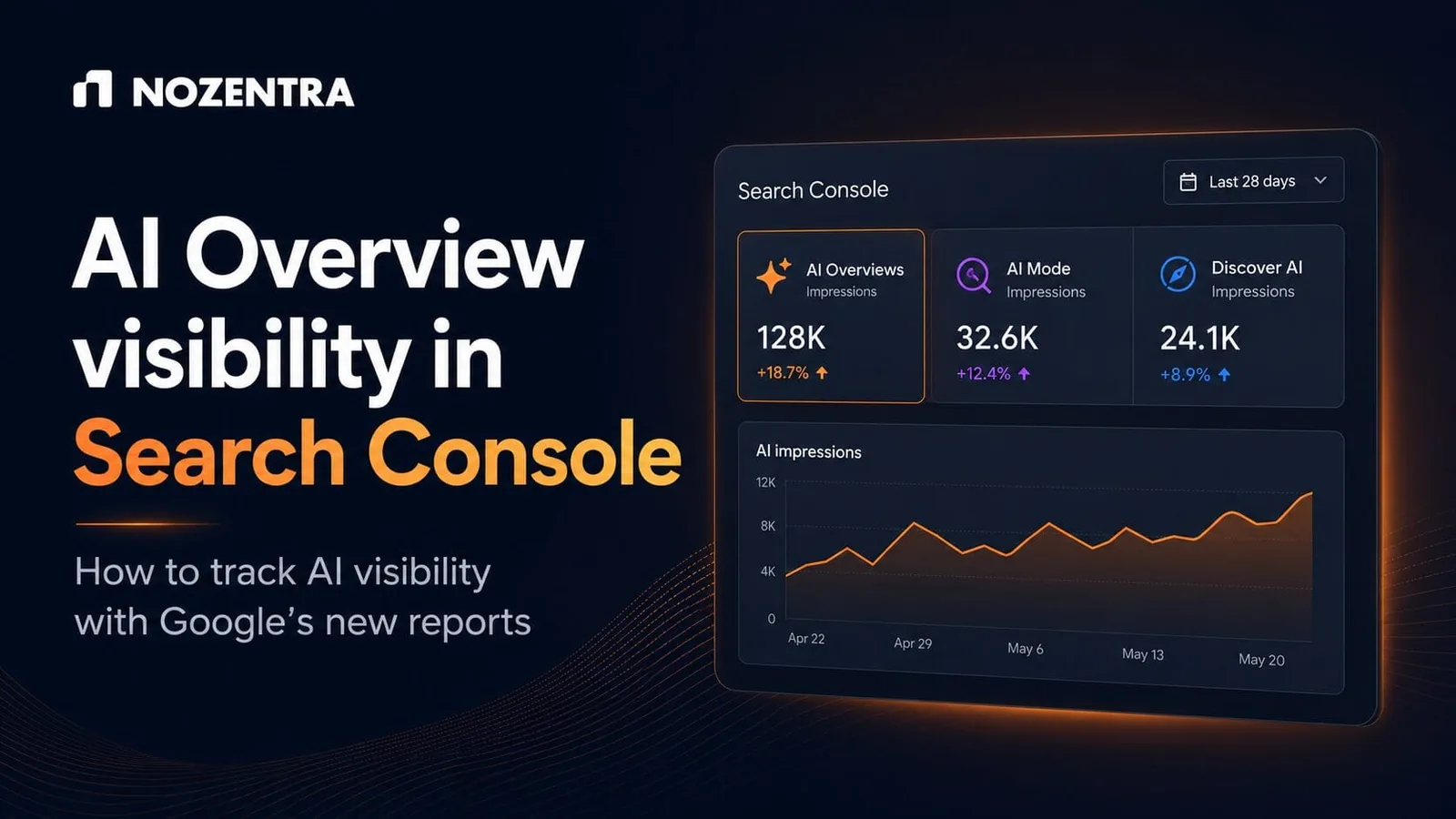
Search Console now shows impressions in AI Overviews, AI Mode and Discover's AI features. What the report shows, what it leaves out, and how to use it.
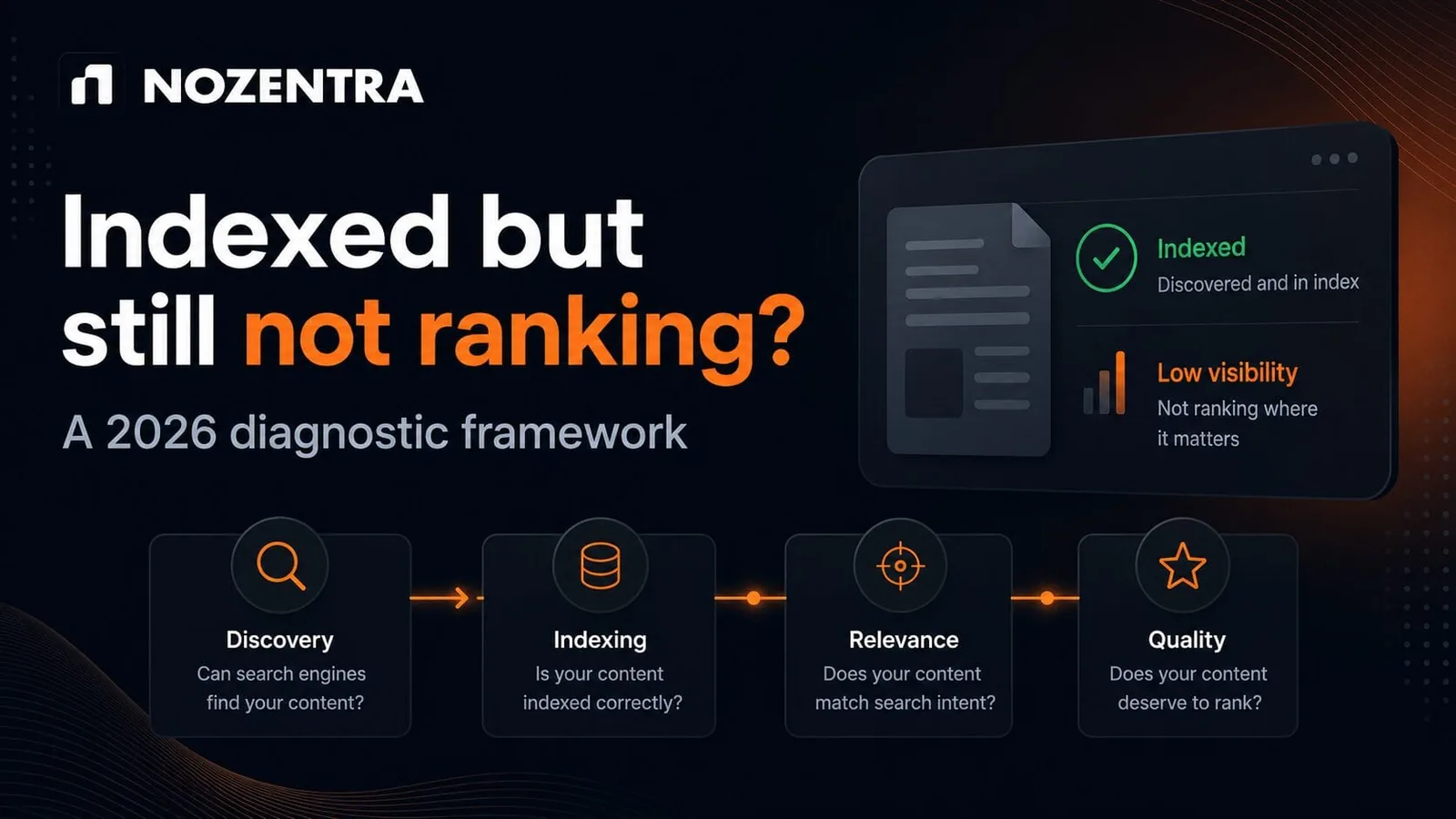
Indexed does not mean visible. A four-stage diagnostic to find where your page breaks: discovery, indexing, relevance or click-through, and what to fix.
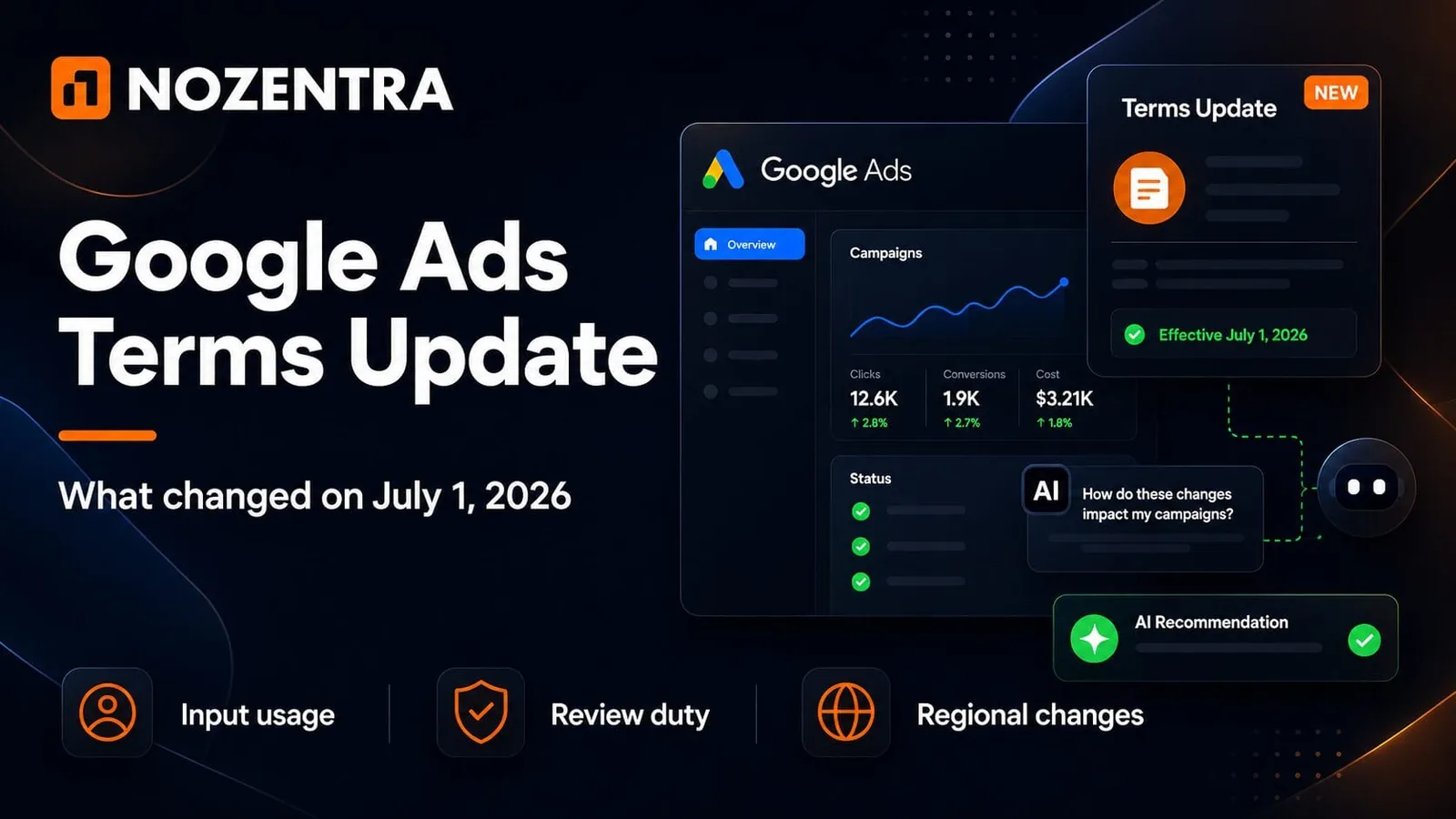
Google's new Ads terms took effect on 1 July 2026. They cover how Google uses what you type into its AI tools, and make you responsible for generated ads.
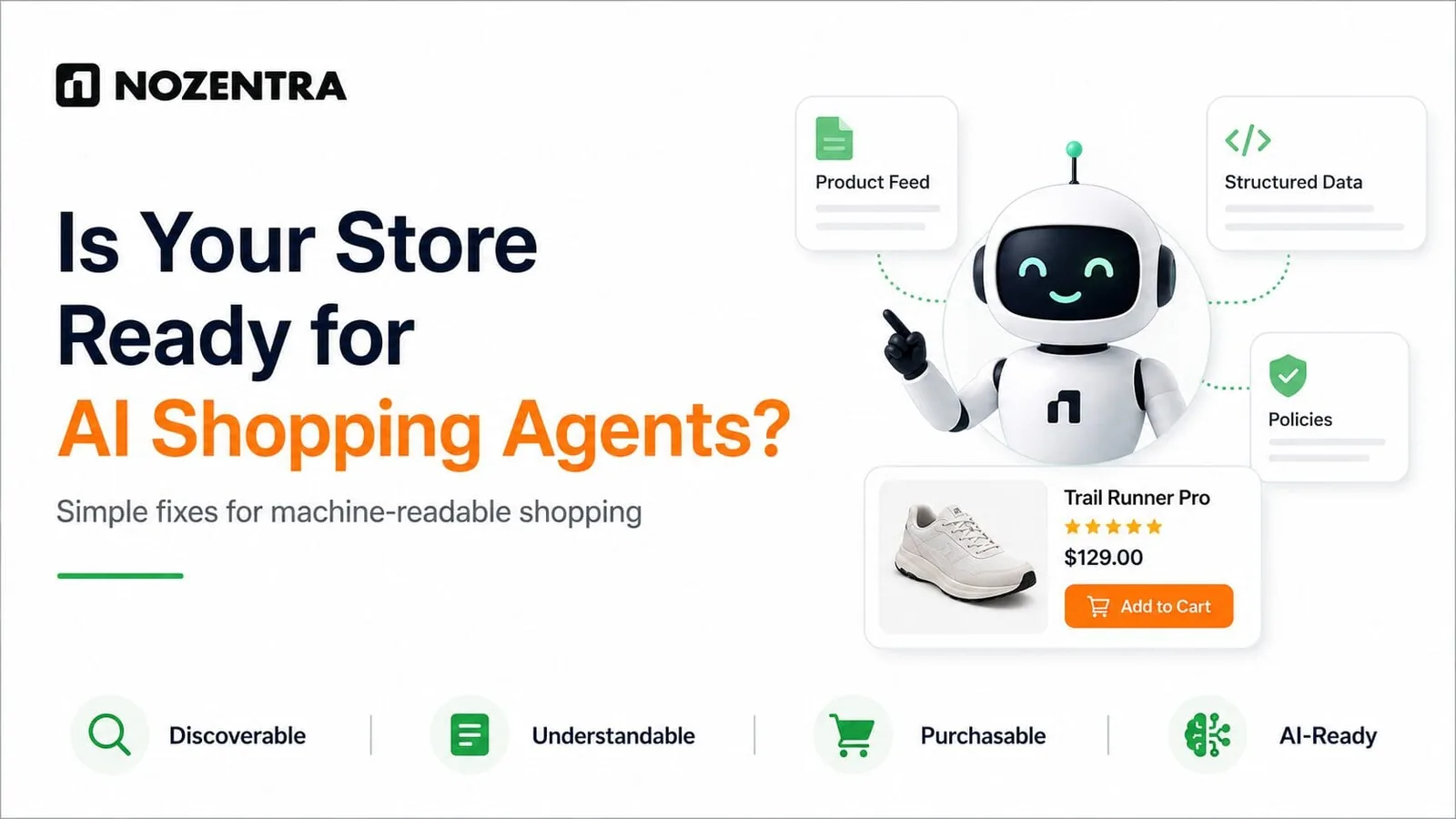
AI assistants now send real shoppers to stores, and Google is testing checkout in AI Mode. What changed in 2026, and the product data work that pays off.
AI agents can research, refresh and rank prospects on demand. What Salesforce's 2026 data shows, where Forrester sees hype, and how to test safely.
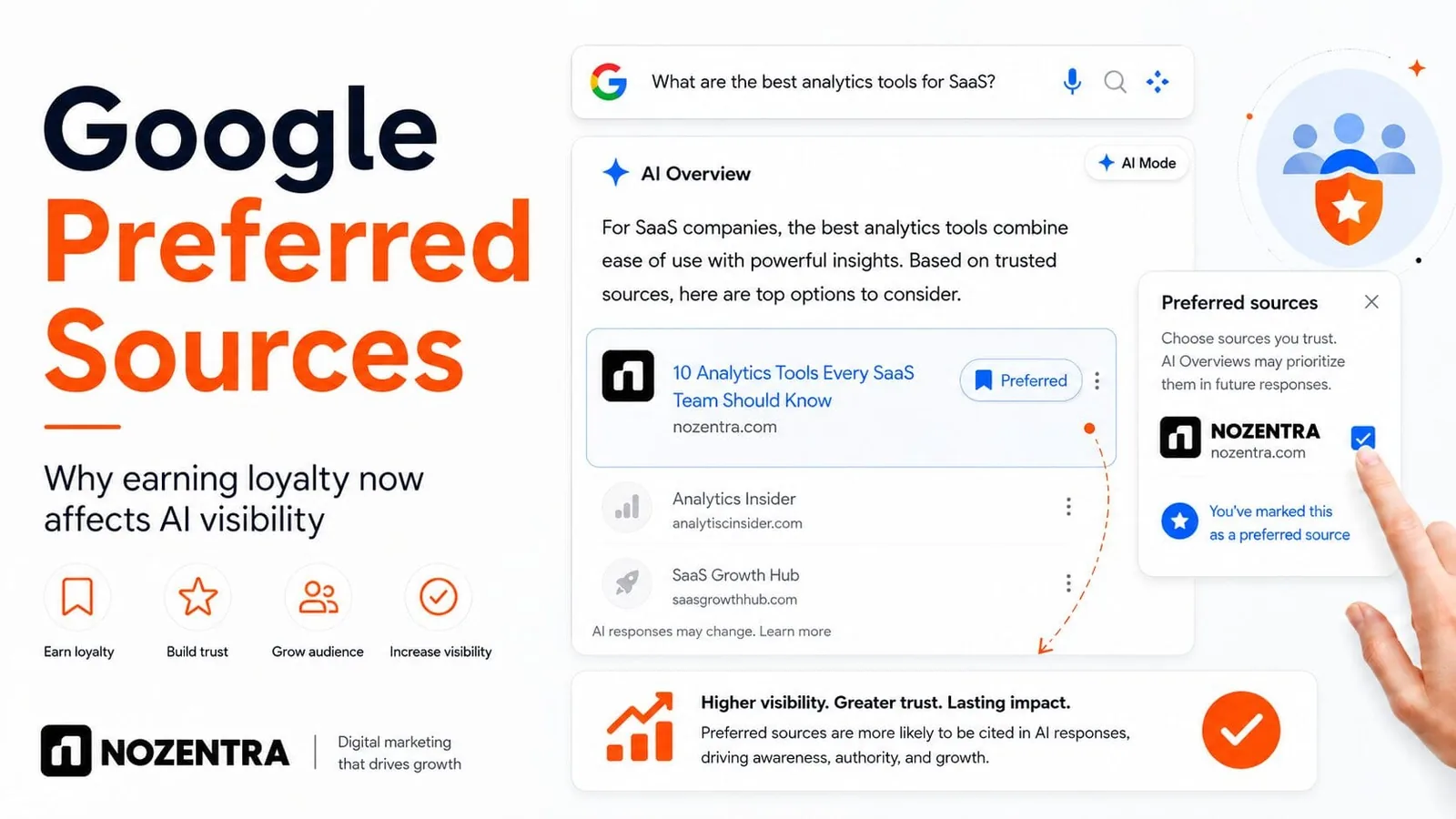
Since May 2026, people can pick Preferred Sources that get labelled in AI Overviews and AI Mode. Google says they get twice the clicks. How it works.
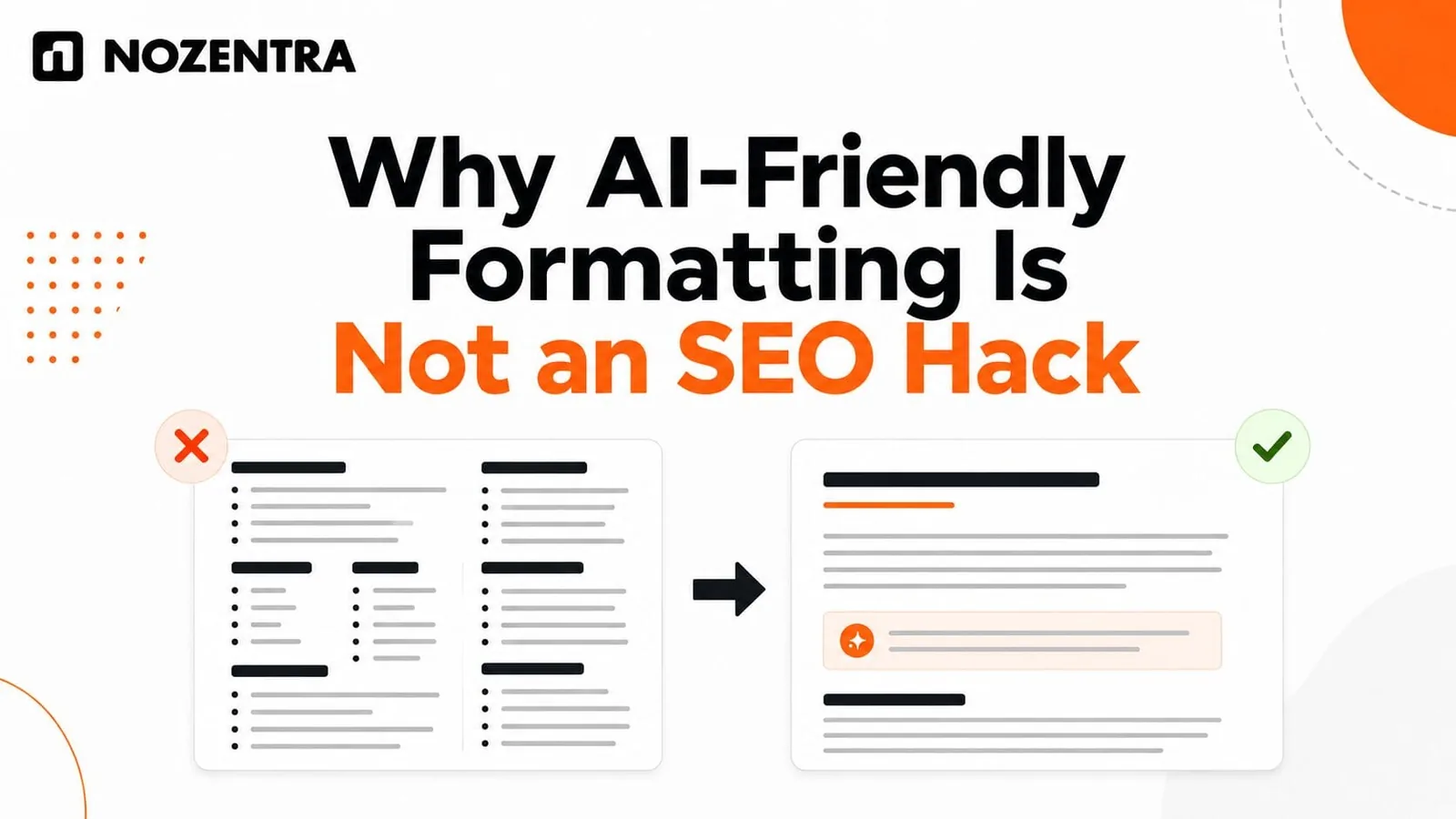
No. Google's guidance says you can ignore 'chunking' content for AI, and Danny Sullivan says Google does not want it. What actually helps AI use your page.
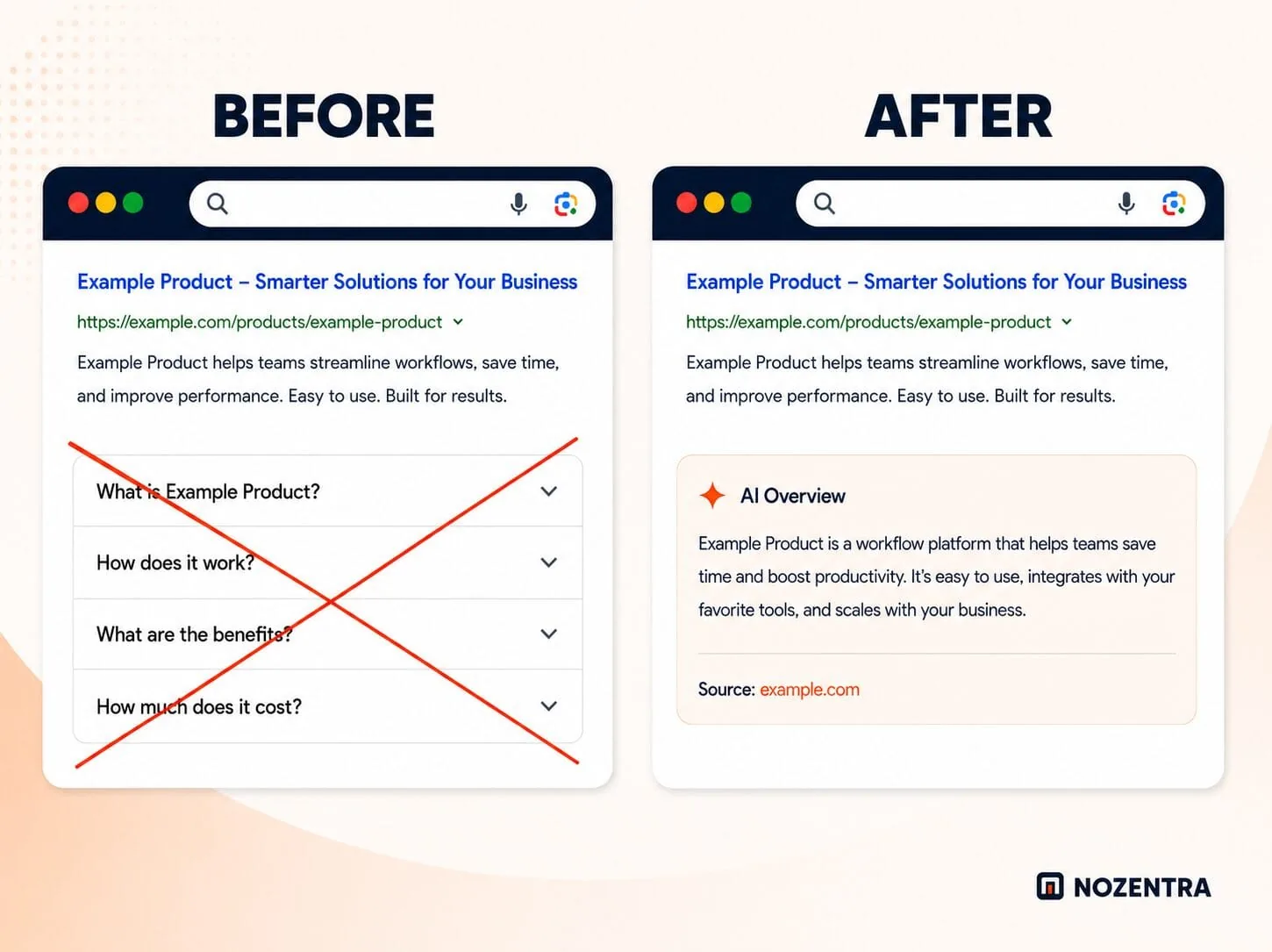
FAQ rich results stopped appearing on 7 May 2026 and Google removed the documentation. What that means for FAQ schema, answer engine optimisation and pages.
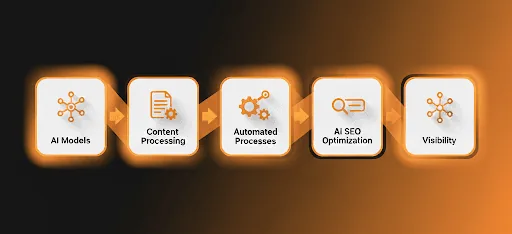
Google says AI Overviews and AI Mode need nothing beyond SEO. How AI search picks pages, what 'AI SEO' really changes, and what still matters most.
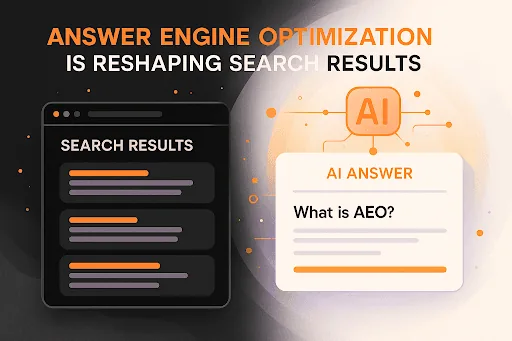
68% of US Google searches now end without a click. What answer engine optimisation really means, which old AEO advice no longer holds, and what works now.
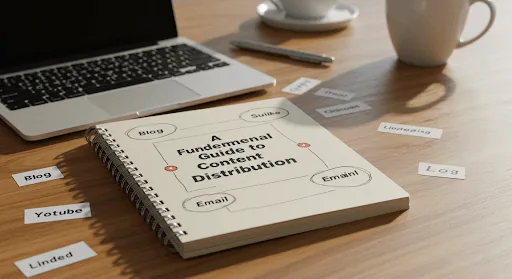
Publishing is not distribution. How to use owned, earned and paid channels, which ones B2B marketers rate highest, and Google's current syndication rules.
B2B buyers now pick a shortlist before they ever speak to you. What 6sense's research of nearly 4,000 buyers means for lead generation, lead scoring and ROI.
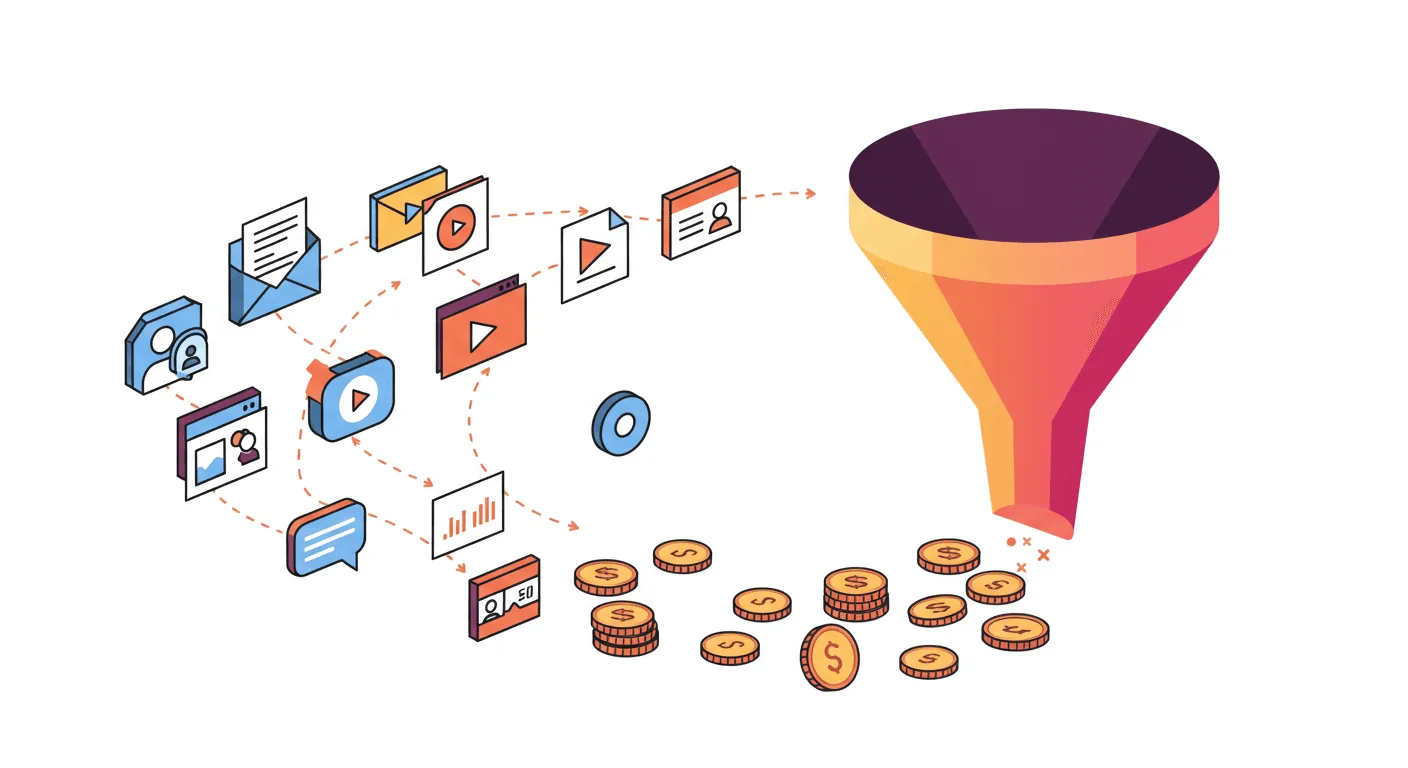
Buyers pick a shortlist before contacting anyone, and trust weighs as much as price. How content moves people from search to purchase, and how to prove it.
The ecommerce features that matter most stop shoppers leaving: speed, clear costs, simple checkout and trust, backed by Baymard and Portent research.
Branding is who you are. Marketing gets the word out. How they differ, why 95% of buyers are not in-market today, and how to balance brand and activation.
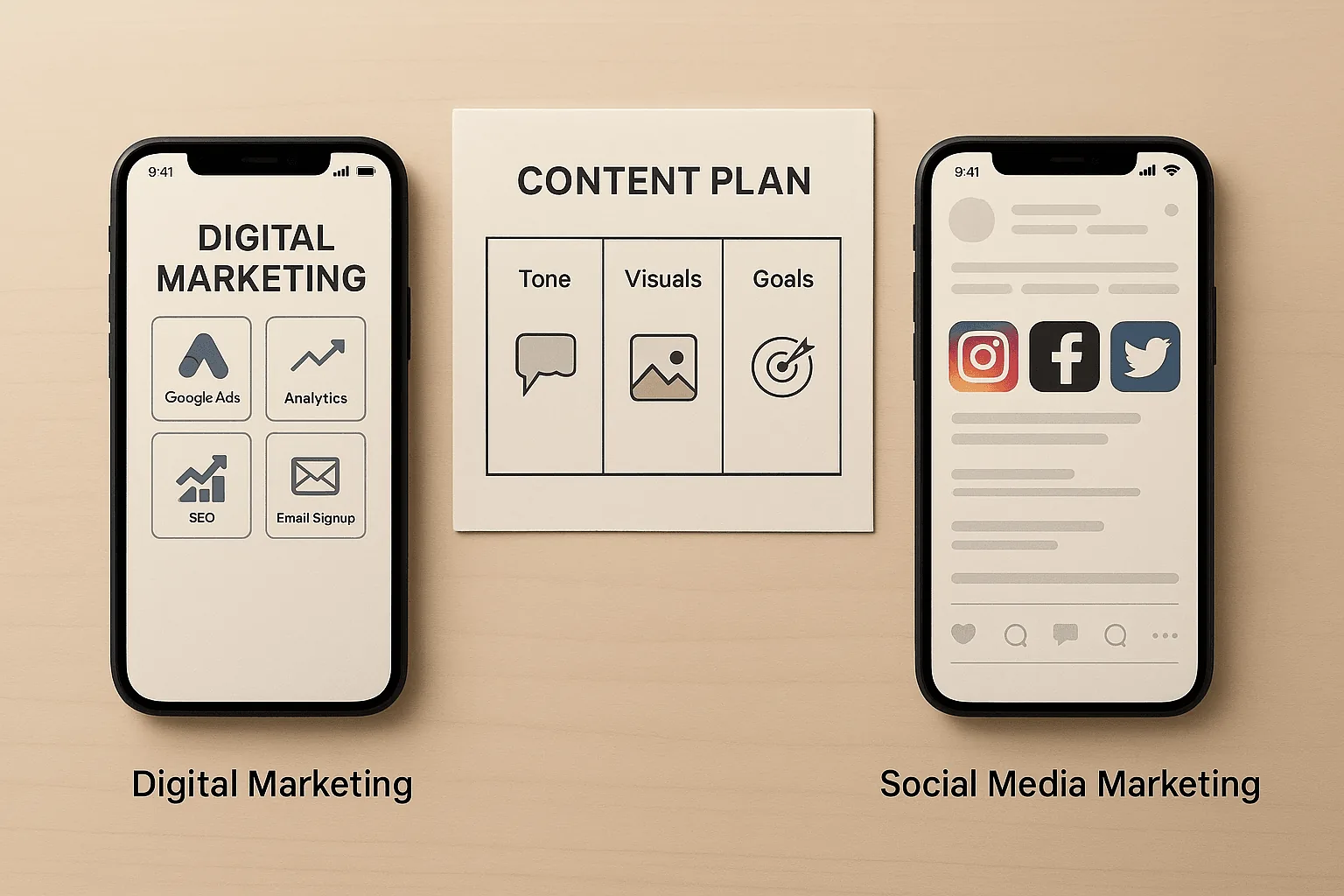
Social media marketing is one part of digital marketing. How they differ, where they overlap, what 2026 data says about each, and how to choose your mix.
SEO builds visibility that compounds. Paid and social channels bring speed. What 2026 data says about search, how local SEO works, and where to start.
Automated emails earn far more per send than one-off campaigns. The four email types start-ups need, how to grow a list properly, and how to measure it.
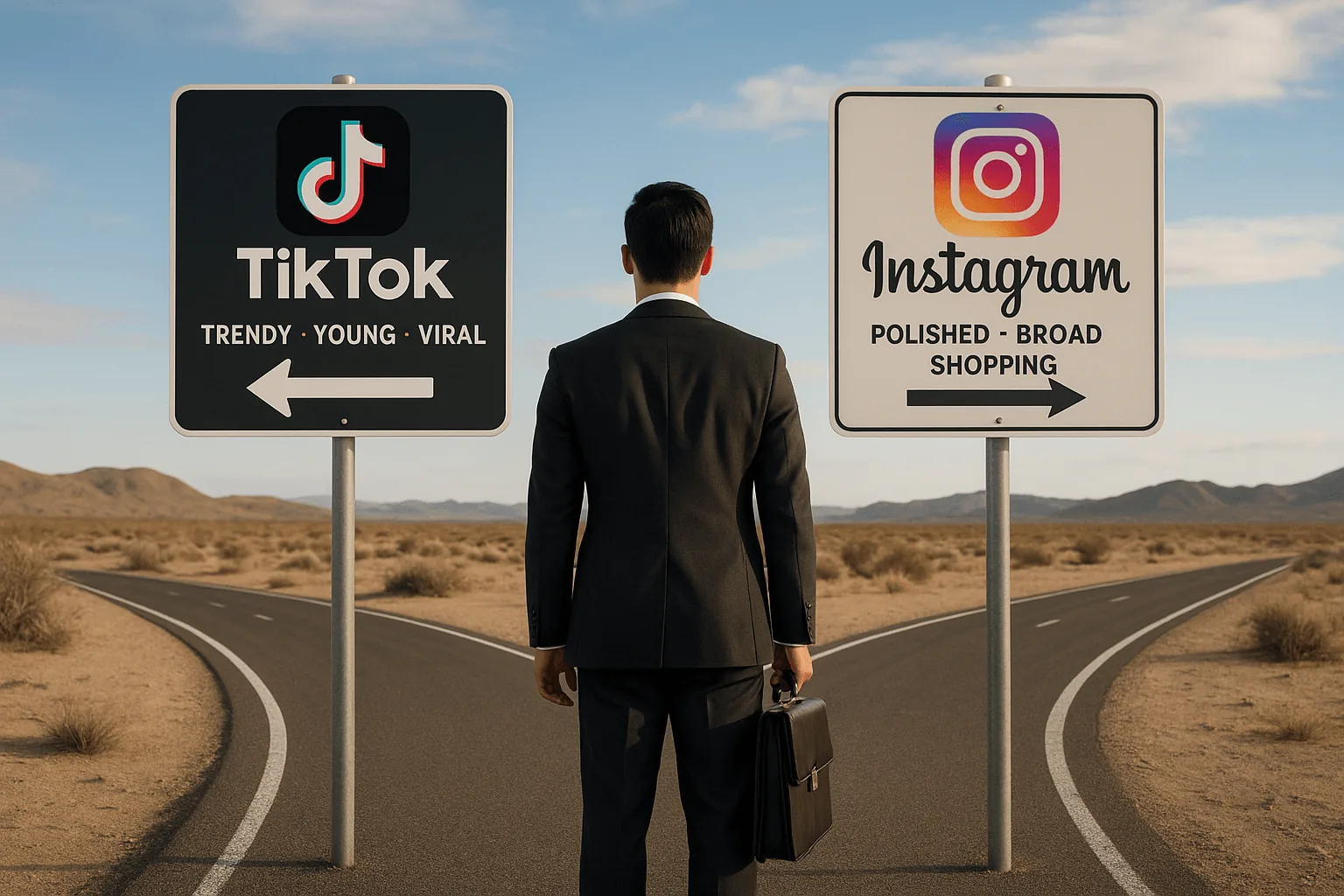
TikTok wins on time spent and reach beyond followers. Instagram wins on audience size and polished, shoppable content. How to choose using 2026 data.
Google Ads catches people already searching. Facebook Ads finds people not looking yet. 2025 benchmark costs by industry, and how to choose or combine them.
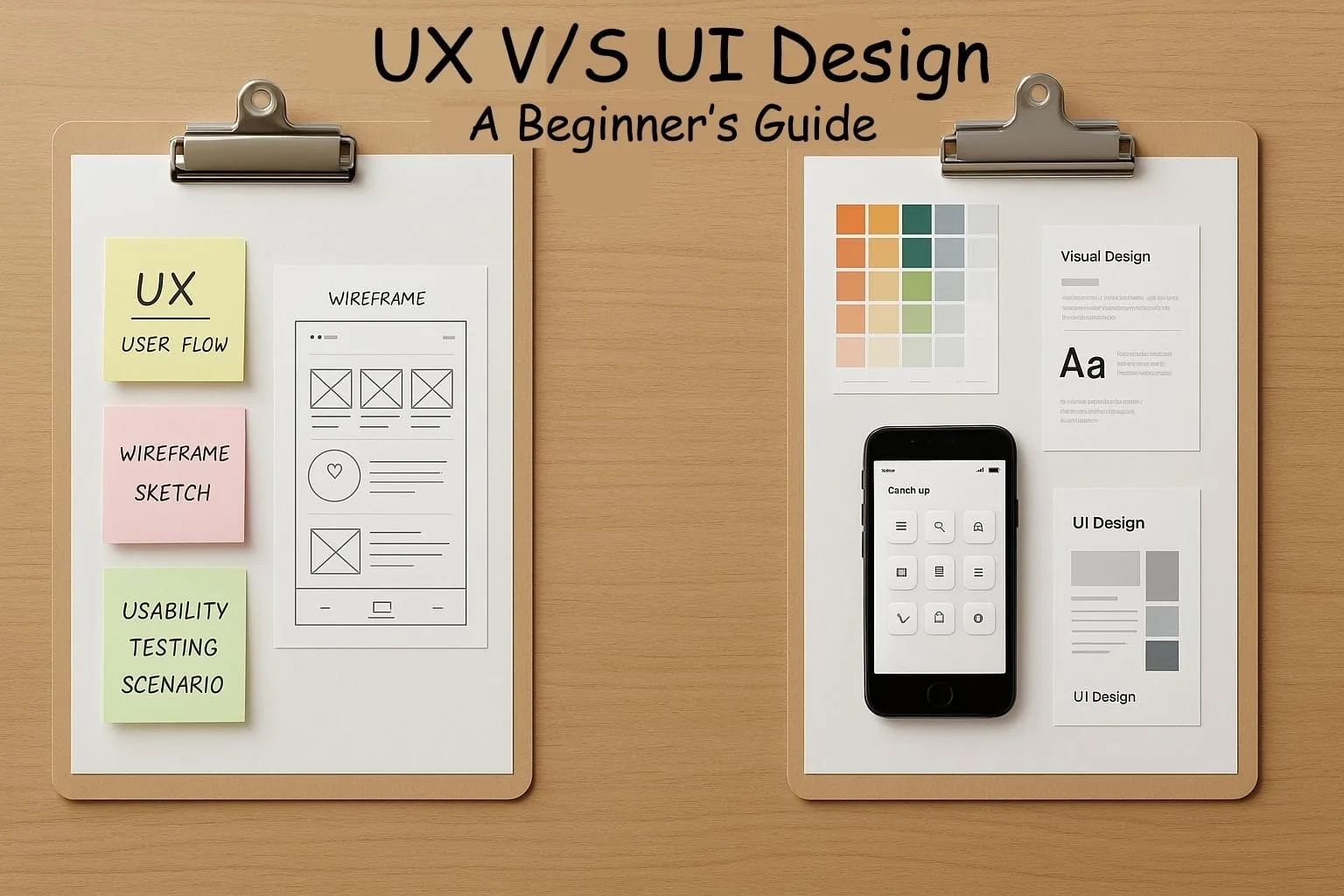
UX is whether a product works for people. UI is what they see and touch. A plain-English guide to both, with examples, a checklist and 2026 accessibility data.
SEO rests on five connected parts: search demand, indexing, content, technical health and links. What each does, how they fail, and the order to fix them.
Search still sends far more traffic than AI platforms, and its visibility keeps working after the effort stops. What SEO involves and what results look like.
A step-by-step guide to appearing on Google, from checking indexing to titles, content, local listings and links, based on Google's own documentation.
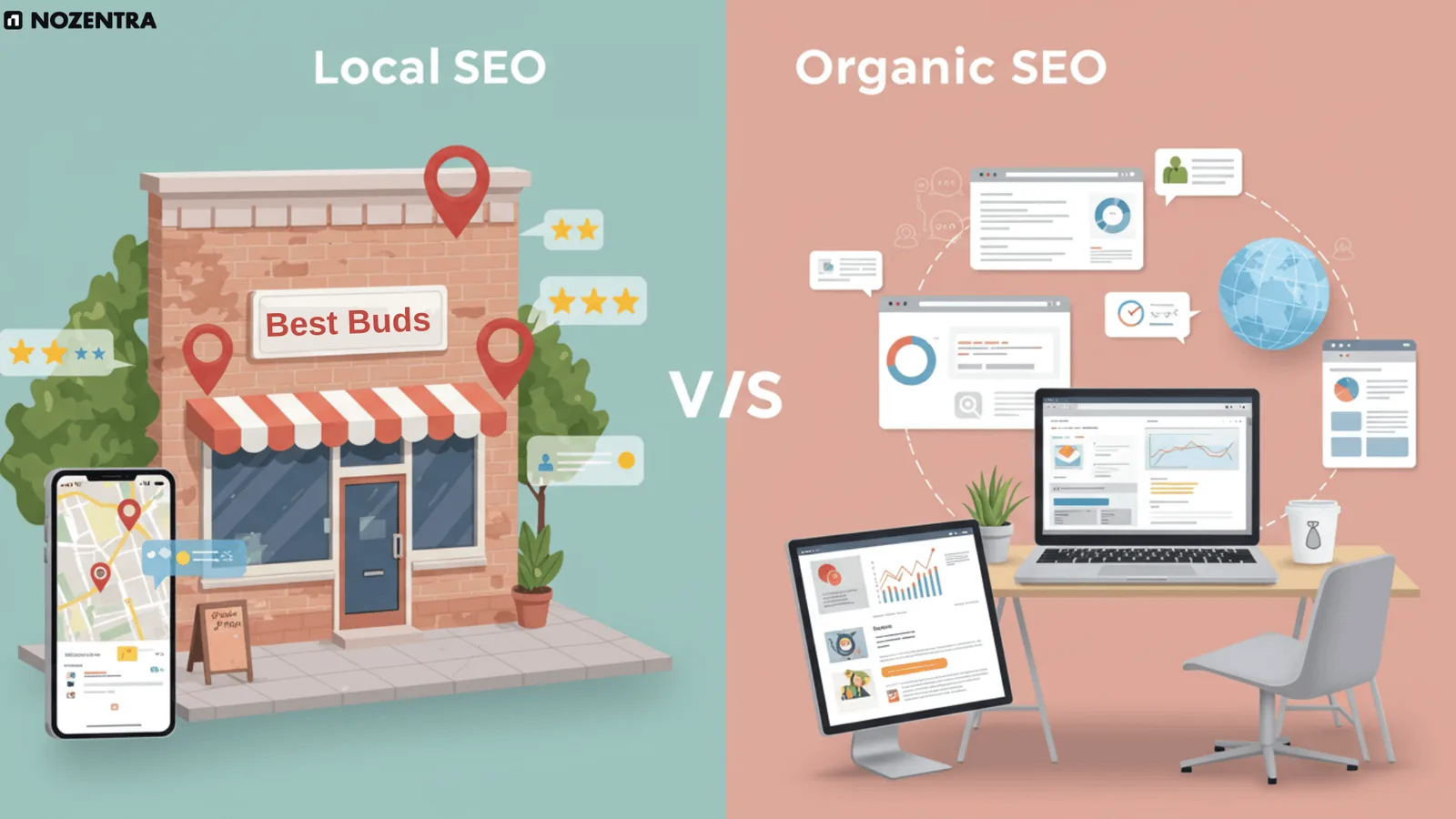
Local SEO wins map and near me results. Organic SEO wins the regular web results. How Google ranks each, and why most local businesses need both.
CPM means paying per thousand ad impressions. How viewable and target CPM work in Google Ads, how CPM compares with CPC, and how to avoid wasted impressions.