AI search engines read meaning, intent and context, not just keywords. But for Google, the way a page gets into an AI answer is less mysterious than it sounds.
Google's documentation is direct: "The best practices for SEO remain relevant for AI features in Google Search (such as AI Overviews and AI Mode). There are no additional requirements to appear in AI Overviews or AI Mode, nor other special optimizations necessary."
This article explains how AI search chooses pages, what genuinely changes, and where "AI SEO" advice goes wrong.
Key takeaways
Google's AI features use normal Search eligibility. A page must be indexed and eligible to show with a snippet. There are no extra technical requirements.
AI answers look wider than one search. Google's AI features can run several related searches across subtopics to build one response.
AI referrals are growing fast but are still small. In June 2025, AI platforms sent 1.13 billion referrals to the top 1,000 websites, against 191 billion from Google Search.
Clear meaning beats clever formatting. Consistent names, complete topic coverage and direct answers help both people and AI systems.
"AI SEO" is mostly good SEO done properly, not a separate discipline with its own tricks.
How much traffic does AI search actually send?
Less than the headlines suggest, but growing quickly. Similarweb data reported by TechCrunch put the two side by side for June 2025:
- Google Search191B
- All AI platforms combined1.13B
Source: Similarweb, via TechCrunch, 25 July 2025
AI referrals were up 357% on the year before, and ChatGPT accounted for more than 80% of them. At the same time, Google's own AI features reach an enormous audience. At Google I/O in May 2026, Google said AI Overviews has more than 2.5 billion monthly active users.
So the practical picture is this: most AI visibility for most businesses still happens inside Google, and it is built on the same foundations as classic search.
How does Google's AI search choose pages?
Google's guide to AI features and your website describes three things worth knowing:
| What Google says | What it means for you |
|---|---|
| A page must be "indexed and eligible to be shown in Google Search with a snippet" | If a page cannot appear in normal results, it cannot be a supporting link in AI answers |
| There are "no additional technical requirements" | No special files, markup or formats are needed |
| AI Overviews show only when "additive to classic Search, and as such, often don't trigger" | Many queries will never show one, whatever you do |
Google also explains that AI Overviews and AI Mode may use a technique called query fan-out. The system runs multiple related searches across subtopics and data sources, then pulls supporting pages into one response. That is why a page covering a topic well from several angles can be useful to an AI answer even when it does not rank first for the original query.
What helps an AI system understand your page?
Three things matter most, and all of them help human readers too.
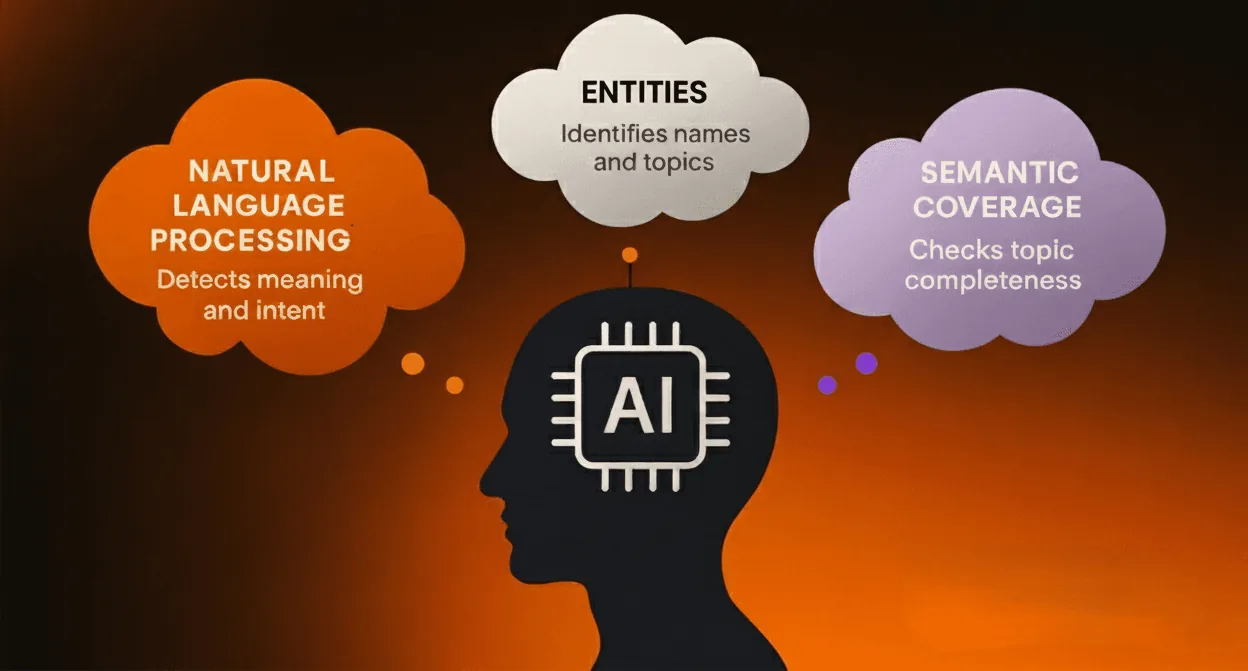
Meaning, not exact keywords. Modern language models treat "AI search optimisation", "optimising for AI answers" and "AI-driven SEO" as closely related ideas. Writing naturally about a topic works better than repeating one phrase.
Consistent names (entities). Entities are the specific people, brands, products, places and concepts a page is about. Use the same name for your business and products everywhere. Structured data can reinforce this. For example, Organization markup tells Google which profiles belong to your business:
{
  "@context": "https://schema.org",
  "@type": "Organization",
  "name": "Example Plumbing Co",
  "url": "https://www.exampleplumbing.com/",
  "logo": "https://www.exampleplumbing.com/logo.png",
  "sameAs": [
    "https://www.facebook.com/exampleplumbing",
    "https://www.linkedin.com/company/exampleplumbing"
  ]
}
Complete, connected coverage. A page about a service should answer the questions someone actually has about it: what it involves, cost factors, timing, limits and next steps. Fan-out searches reward pages that cover related subtopics properly.
Coverage does not mean duplication, though. When we expanded service and location coverage for THACS, a heating and cooling company, the challenge was growing coverage "without creating disconnected pages that repeated the same information." Keyword visibility grew 4.3 times and organic traffic rose 41%.
Does content need special formatting for AI?
No. This is where a lot of 2025 advice aged badly. Google's AI optimisation guide now says you can ignore tactics like "chunking" content into tiny pieces, and that its systems "are able to understand the nuance of multiple topics on a page."
What it does recommend is ordinary good structure: pages "organized by paragraphs and sections, along with headings that provide a clear structure to navigate content." We cover this in detail in why AI-friendly formatting is not an SEO hack.
Is AI SEO different from traditional SEO?
Less than the label suggests. Google says the same foundations apply. What changes is emphasis:
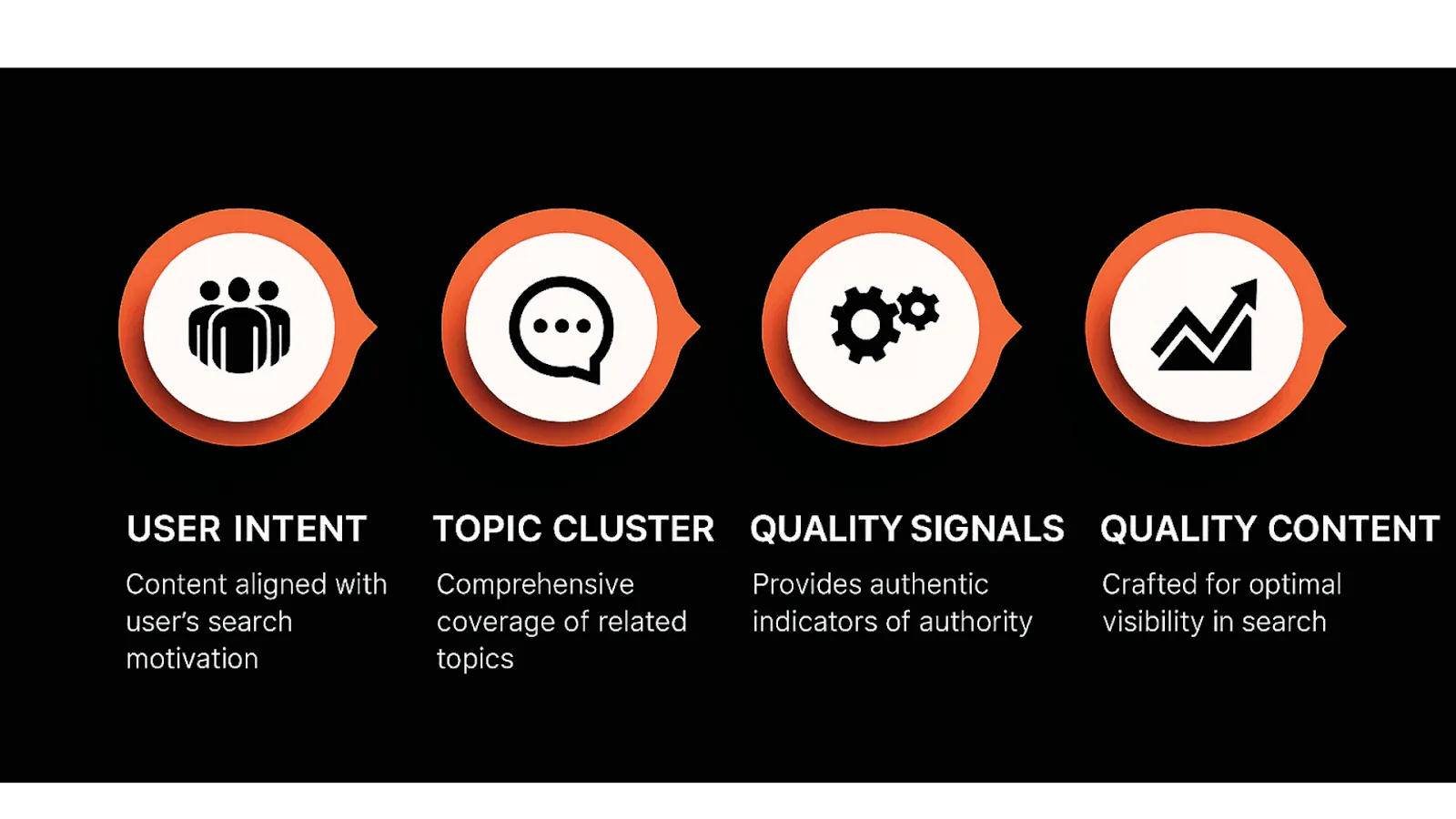
| Still essential | Becomes more important |
|---|---|
| Crawlable, indexable pages | Answering the question directly near the top |
| Page speed and mobile experience | Covering related subtopics a searcher would ask next |
| Title links and snippets | Consistent names for your brand, products and concepts |
| Helpful, people-first content | Original information that is not available everywhere else |
| Links from relevant sites | A reputation people and sources mention accurately |
Google's helpful content guidance sums up the standard: "Does the content provide original information, reporting, research, or analysis?"
How do SEO teams use AI tools day to day?
AI tools speed up the work around content. They do not replace judgement:
| Tool type | Useful for | Needs a human to |
|---|---|---|
| Chat assistants such as ChatGPT or Gemini | Outlines, first drafts, summarising research, grouping keywords | Check facts, add real experience, make the final call |
| Answer engines such as Perplexity | Seeing which sources get cited for a question | Judge whether those sources are actually trustworthy |
| Search Console's generative AI report | Measuring where your pages appear in AI features | Decide which gaps are worth fixing |
Every AI-assisted draft still needs someone who knows the subject to confirm it is accurate. Publishing unchecked output is how inaccurate claims end up on a brand's site.
What should you do next?
Check indexing first. A page that cannot appear in normal search cannot appear in AI answers. See why a page is indexed but not ranking.
Make names consistent across your site, profiles and structured data.
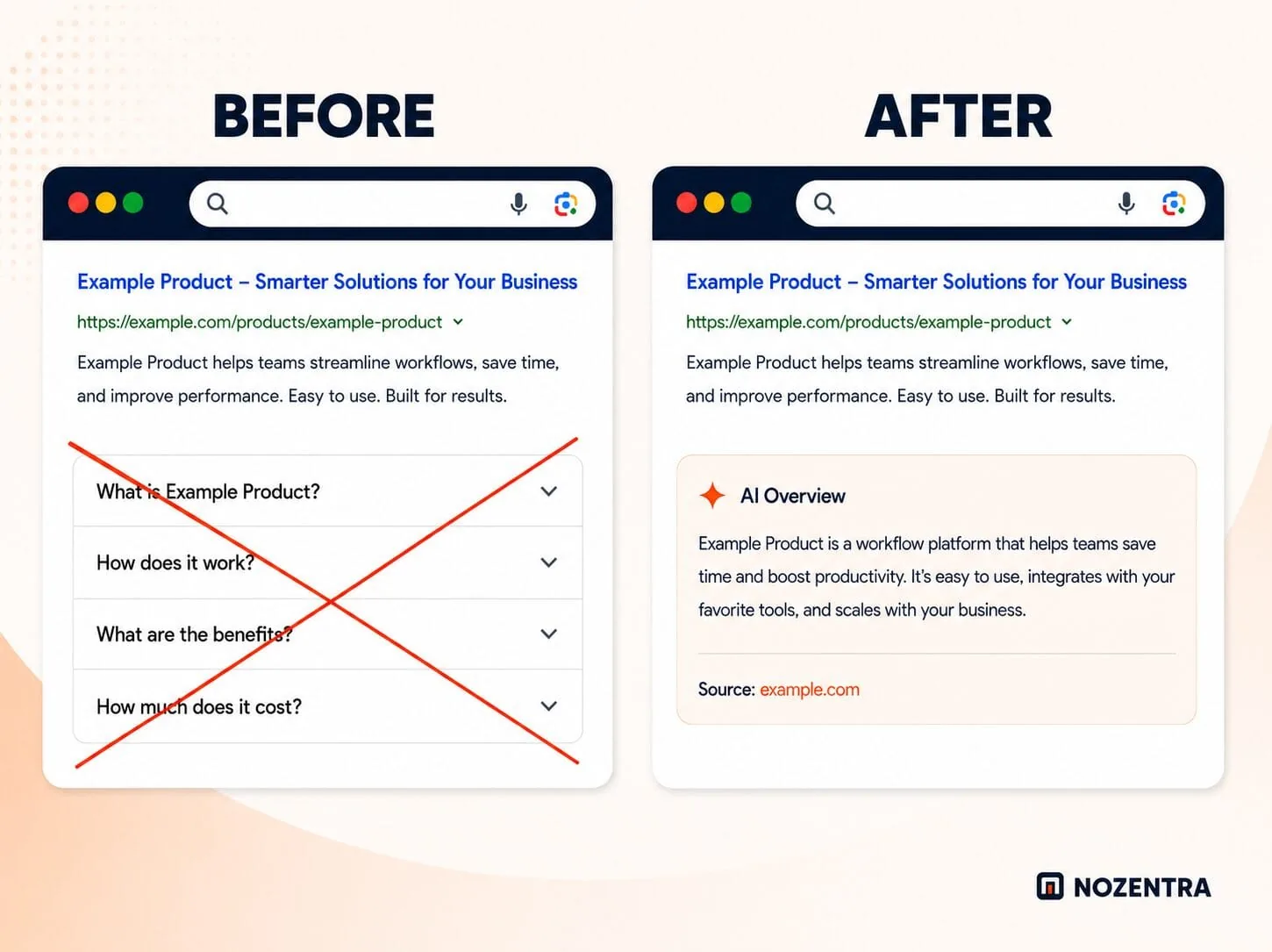
Rewrite key pages to answer the main question early, then cover the related questions people ask next.
Add something original: your data, your process, your examples.
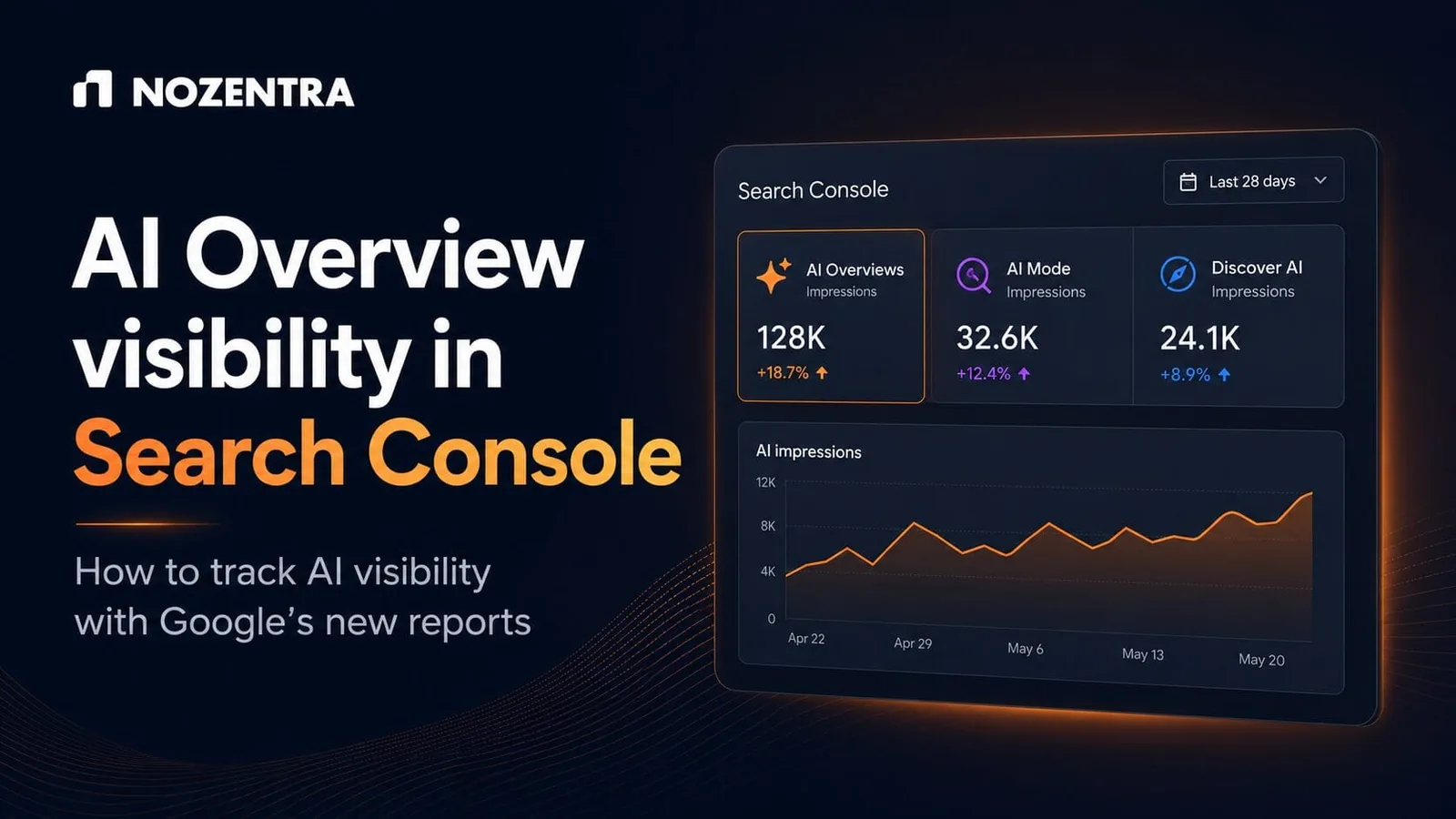
Measure AI visibility with Search Console's generative AI report.
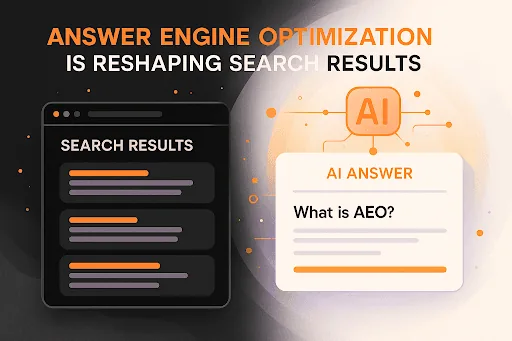
For how answers are shaped around intent, read how AEO is changing search. If you want help, see our AI search visibility work or talk to us.
Frequently asked questions
What is AI SEO?
Making content easy for AI systems to understand, trust and cite in answers. For Google, that means the same SEO best practices applied well, with extra attention to direct answers, clear entities and original information.
Do I need special files or markup for AI Overviews?
No. Google says there are no additional requirements or special optimisations needed to appear in AI Overviews or AI Mode.
Is AI SEO better than traditional SEO?
They are not really separate. Google's AI features rely on pages that are already eligible for normal search. Good SEO is the foundation for AI visibility.
Will AI search replace website traffic?
Not yet. In June 2025, Google Search still sent about 169 times more referrals than all AI platforms combined to the top 1,000 websites.